Weighted Vest for Lifting: Honest Review 2026
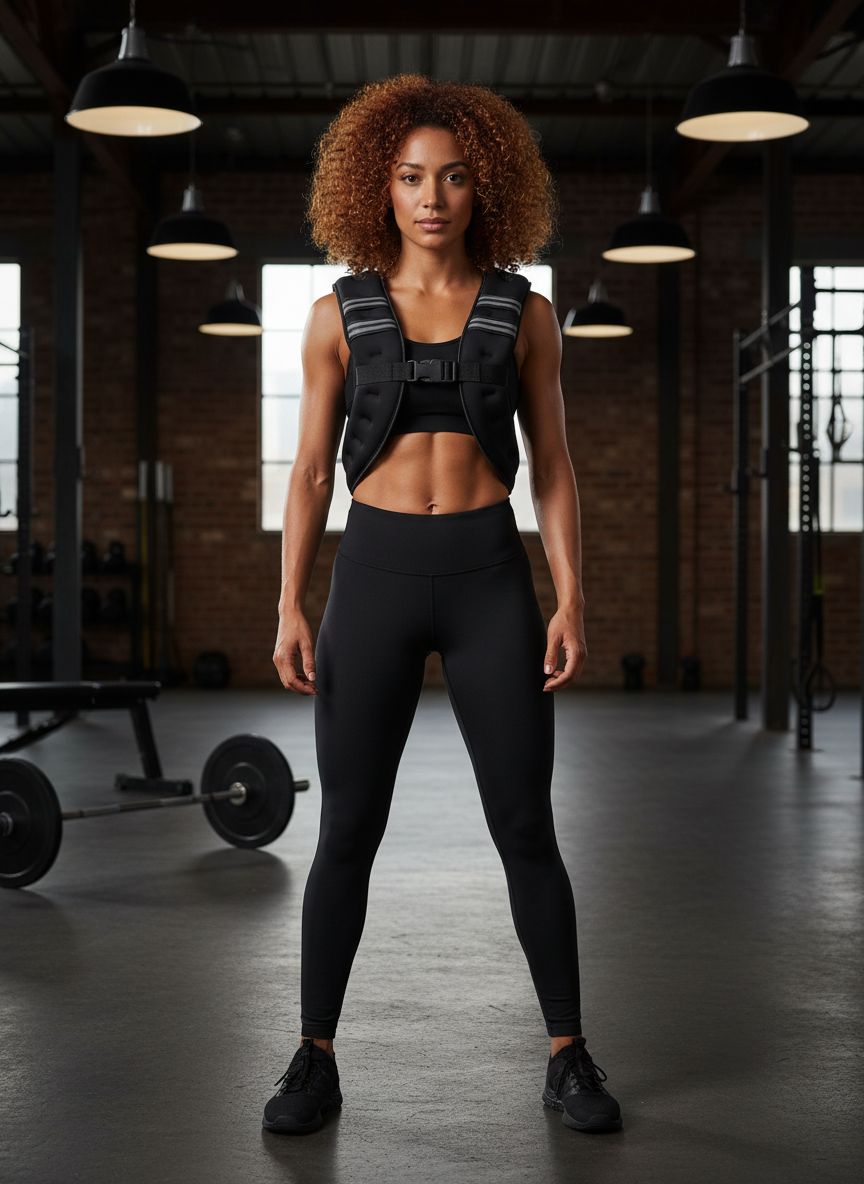
Six pounds doesn’t sound like much until you’re four miles into a trail run and your shoulders are reminding you, very specifically, that they exist.
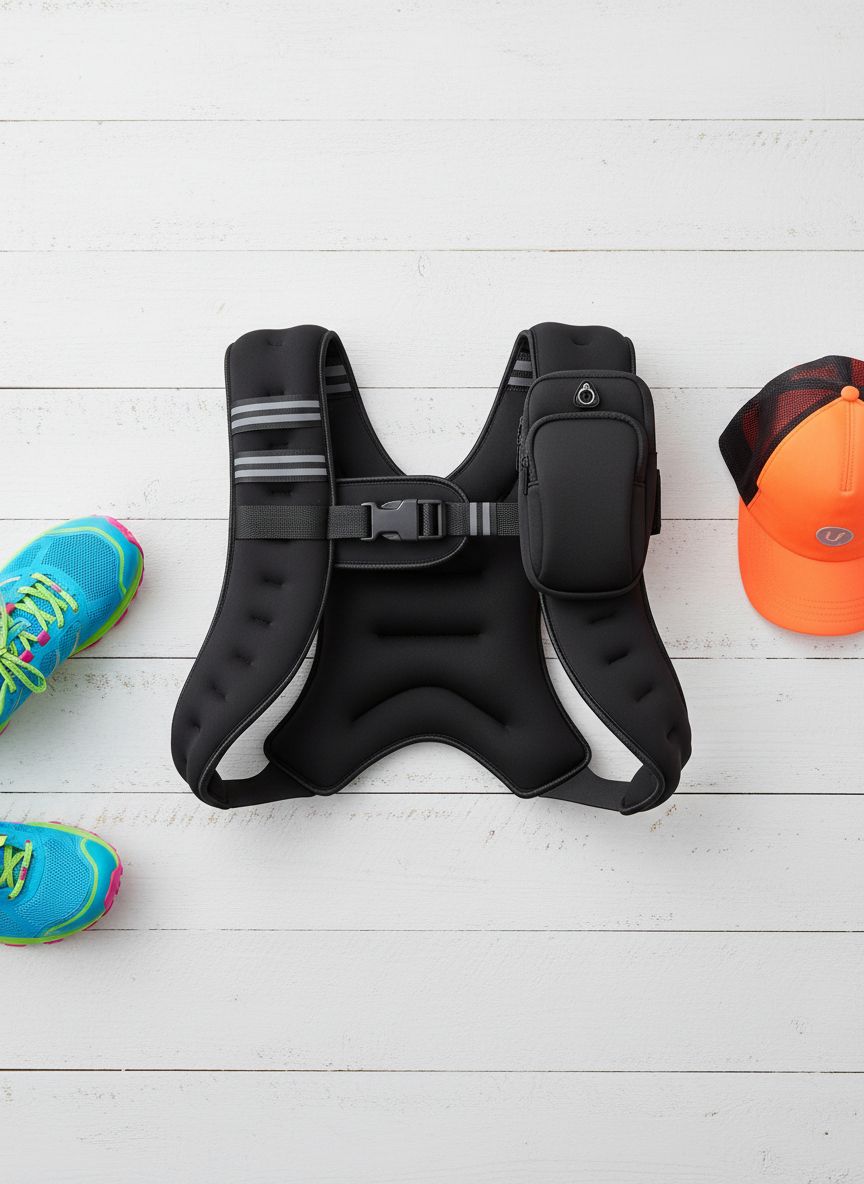
It was a Tuesday, early enough that the streetlights were still on and my breath was fogging up in short, visible puffs. I’d strapped the ZELUS Weighted Vest over my base layer, cinched the sides, and headed out the door thinking this would feel like a casual shakeout. It did not feel like a casual shakeout. By the first hill, I could feel the neoprene pressing evenly across my chest and back, the weight distributed in a way that didn’t pull me forward or torque my spine, which, frankly, was the first thing I’d been worried about. The reflective stripe caught the last of the streetlight as I turned the corner, and I remember thinking: okay, this thing means business.
The First Time I Wore It
I came across the ZELUS Weighted Vest while down a late-night rabbit hole of progressive overload gear, the kind of browsing that starts with “how to make bodyweight workouts harder” and ends with you reading about rucking at midnight. The adjustable weight options stopped my scrolling cold. Multiple weight increments, a single vest chassis, a price point that sits well below what you’d typically pay for a dedicated lifting accessory of this caliber. I added it to cart mostly out of curiosity.
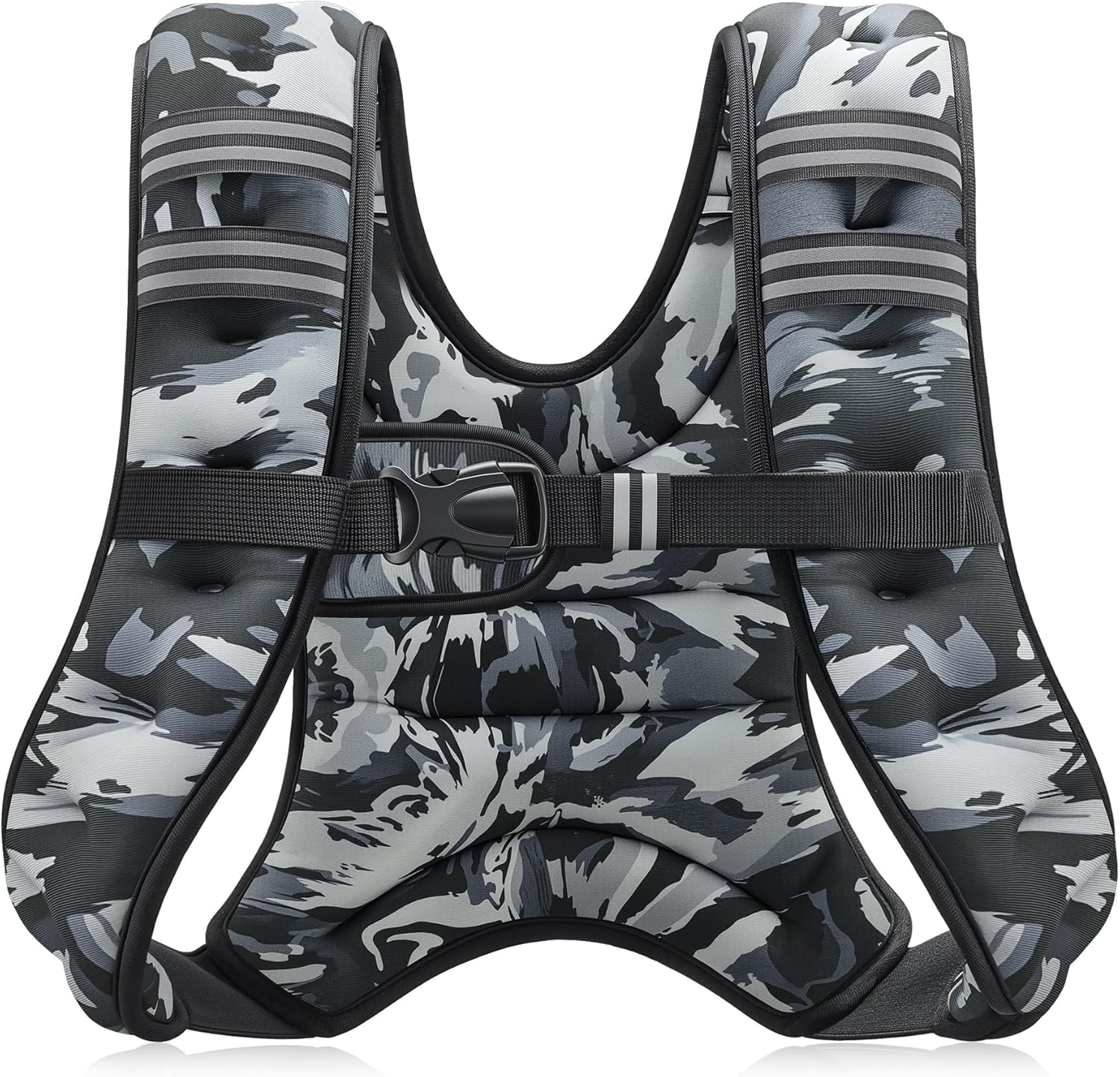
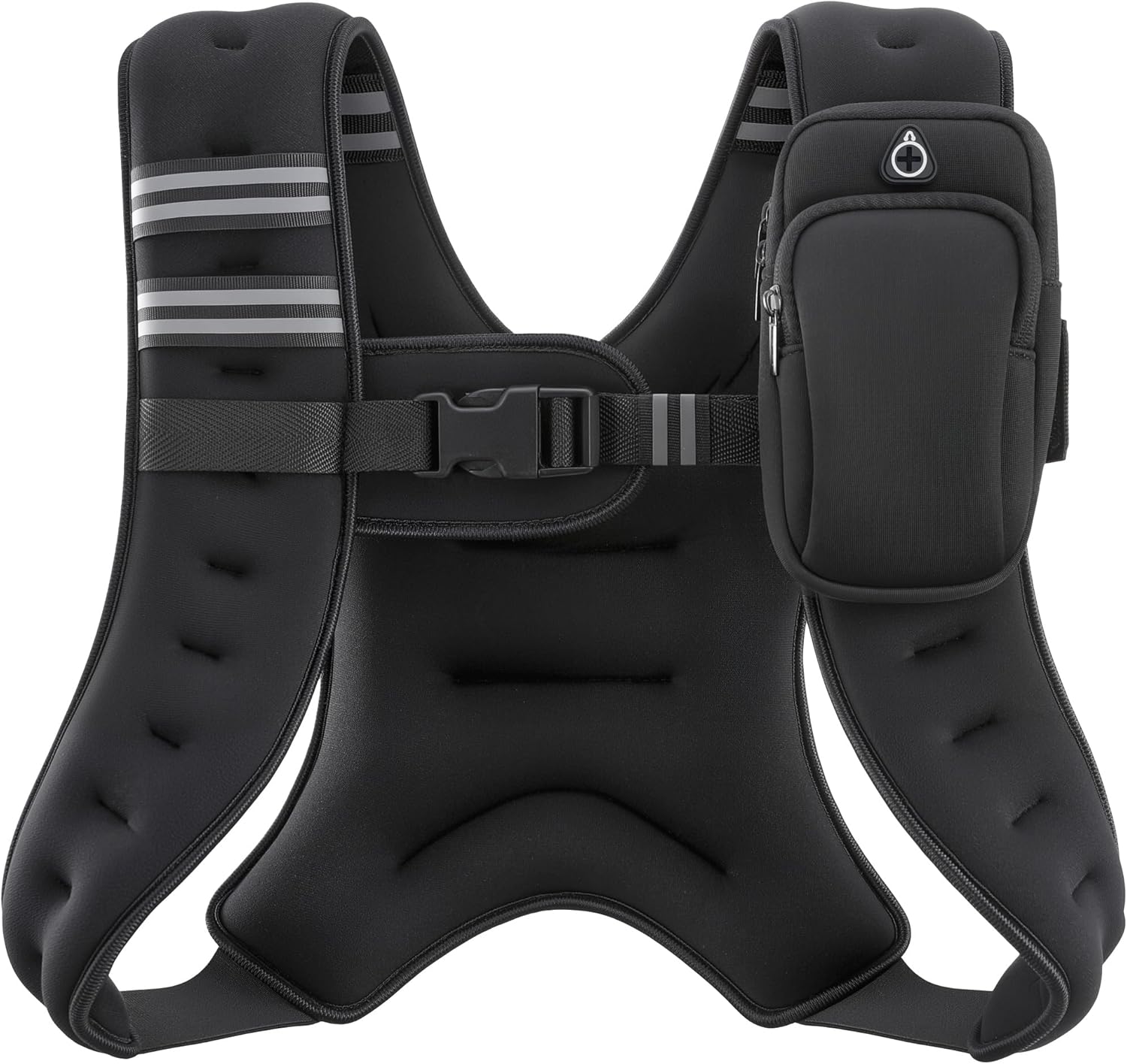
When it arrived, the first thing I noticed was the neoprene shell: dense but not stiff, with a compression quality that felt deliberate rather than cheap. It was harder to dismiss than I’d expected.
How It Actually Fits in Training
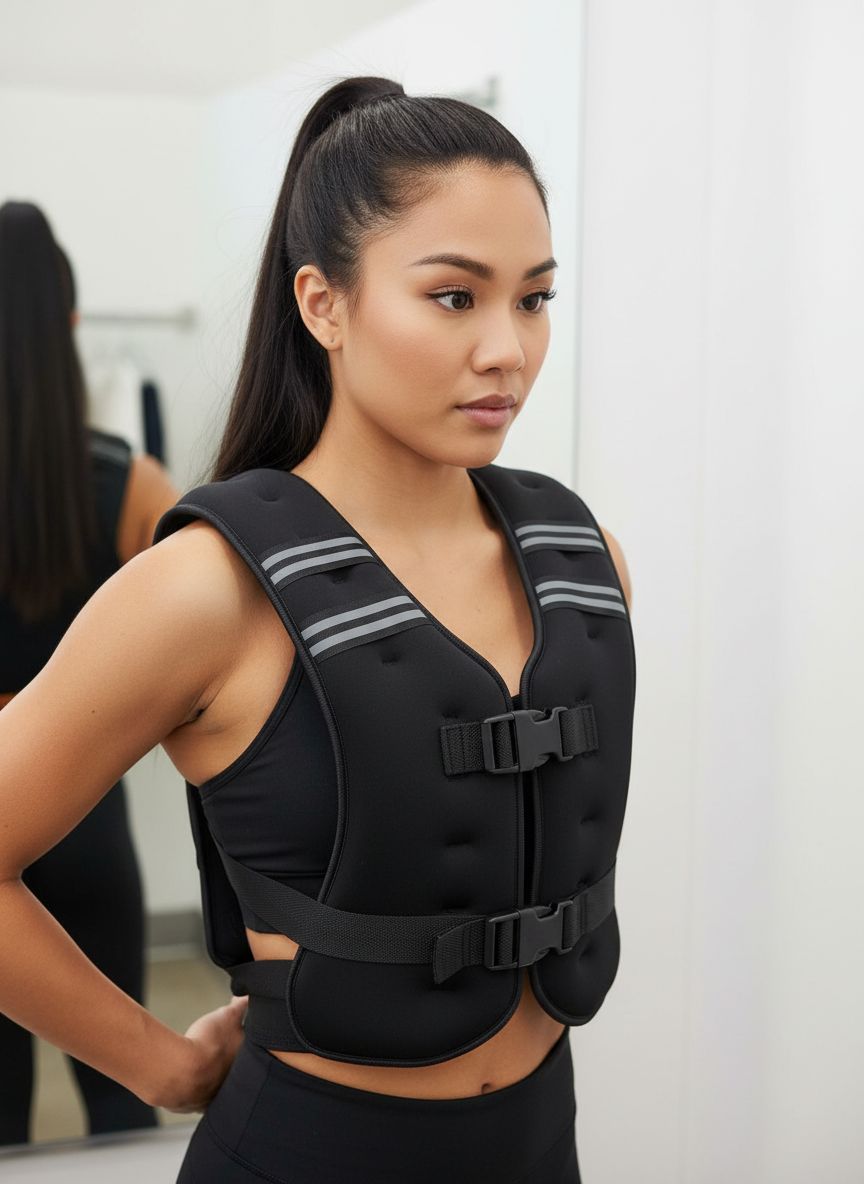
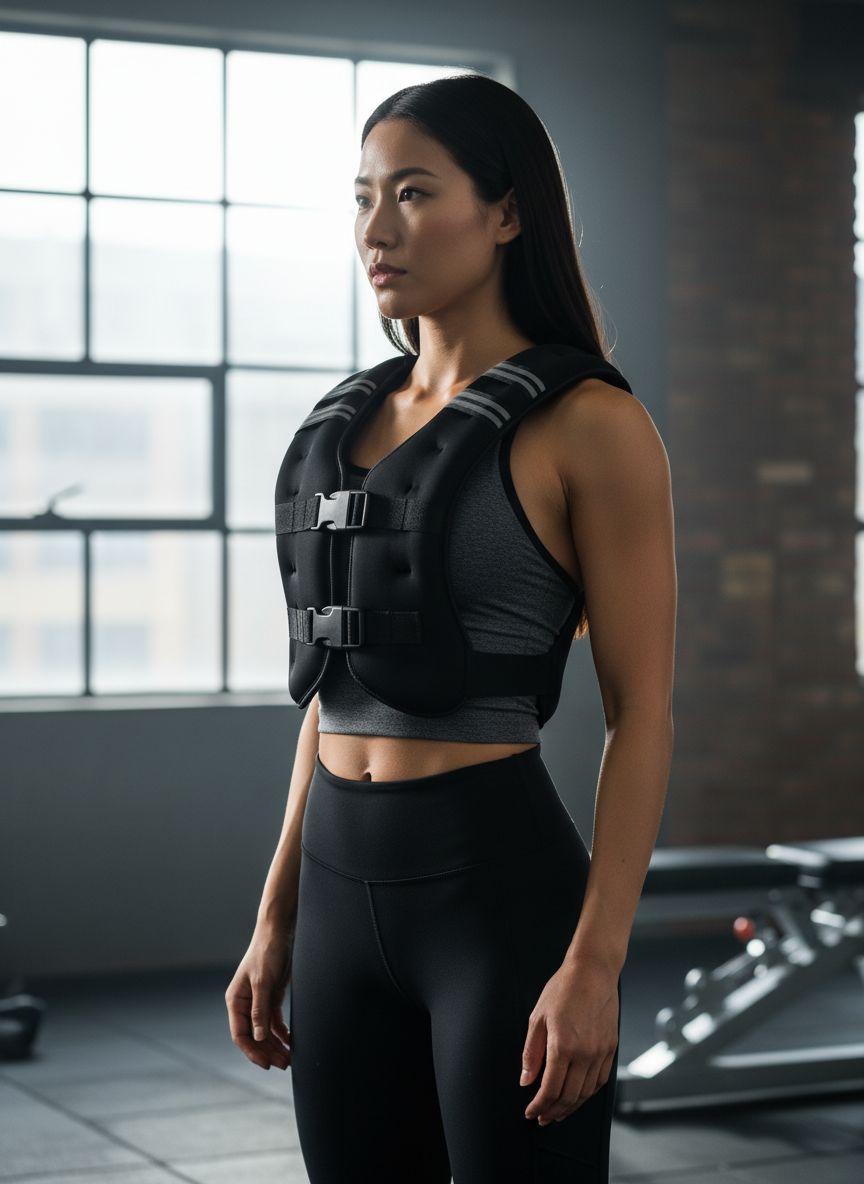
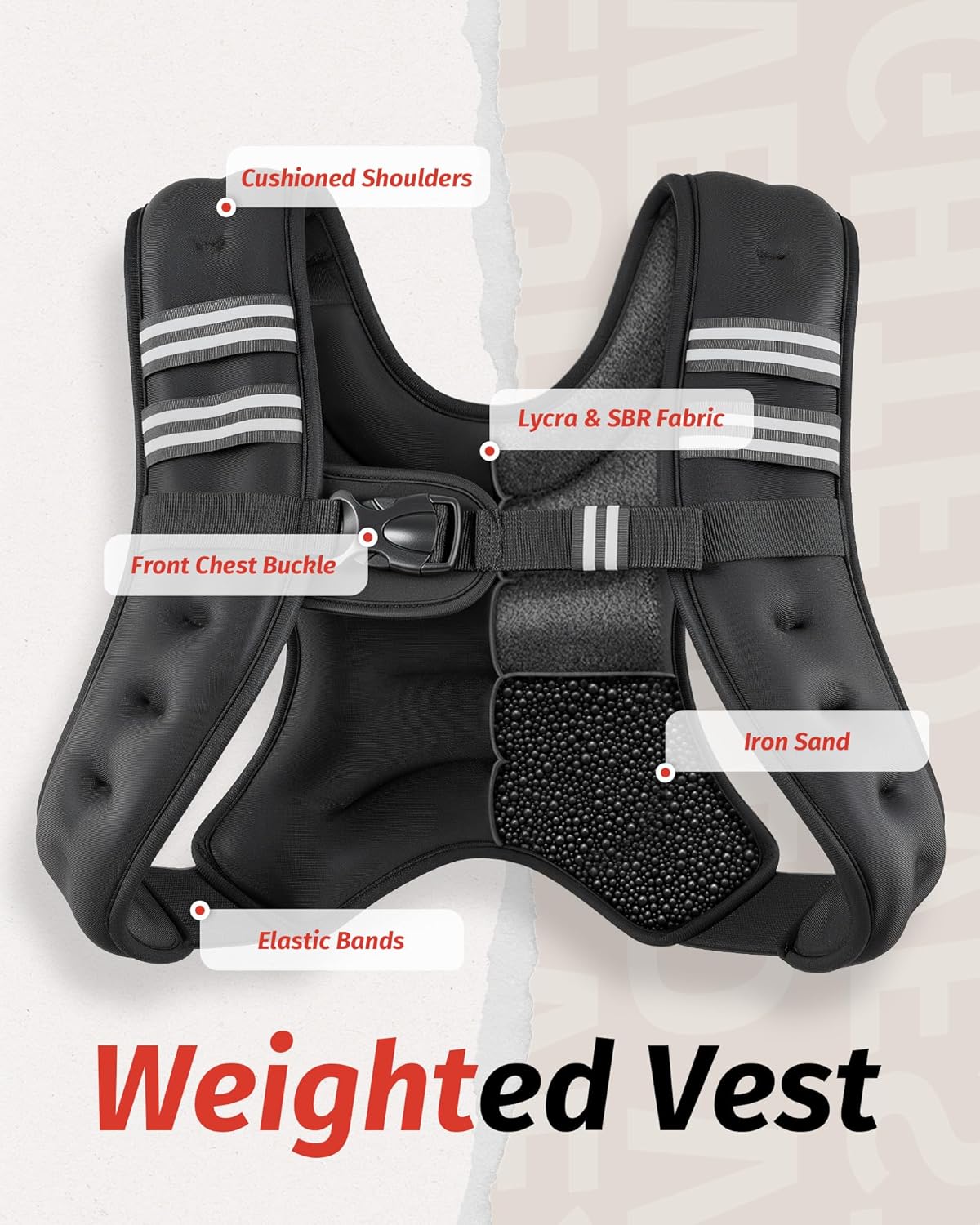
The fit is snug across the chest in a way that reads less “restrictive” and more “held.” During bodyweight squats, the vest doesn’t ride up or shift, which is the failure mode I’ve experienced with cheaper weighted vests that turn every rep into a battle against slipping fabric. The side-cinch adjusters let you dial in a close, symmetrical fit regardless of whether you’re layered under a hoodie for cold-weather runs or wearing it directly over a sports bra for HIIT circuits. The weighted pocket system distributes mass across the front and back panels, so there’s no front-heavy tipping sensation that can throw off your gait mid-stride.
“The weight sits so evenly across your torso that your body forgets to compensate, which is exactly what you want from a training tool.”
That said, if you have a particularly short torso or a very narrow frame, the vest’s fixed panel length may feel like it’s sitting slightly low on the hip during high-knee movements. It’s not a dealbreaker, but it’s worth sizing down if you’re between options. For a broader look at how compression fits interact with performance fabric across different activities, the Self guide to best workout clothes breaks down fit profiles worth knowing before you buy.
The Sessions I Actually Wore It For
Session 1: 4-Mile Weighted Run, Tuesday Dawn
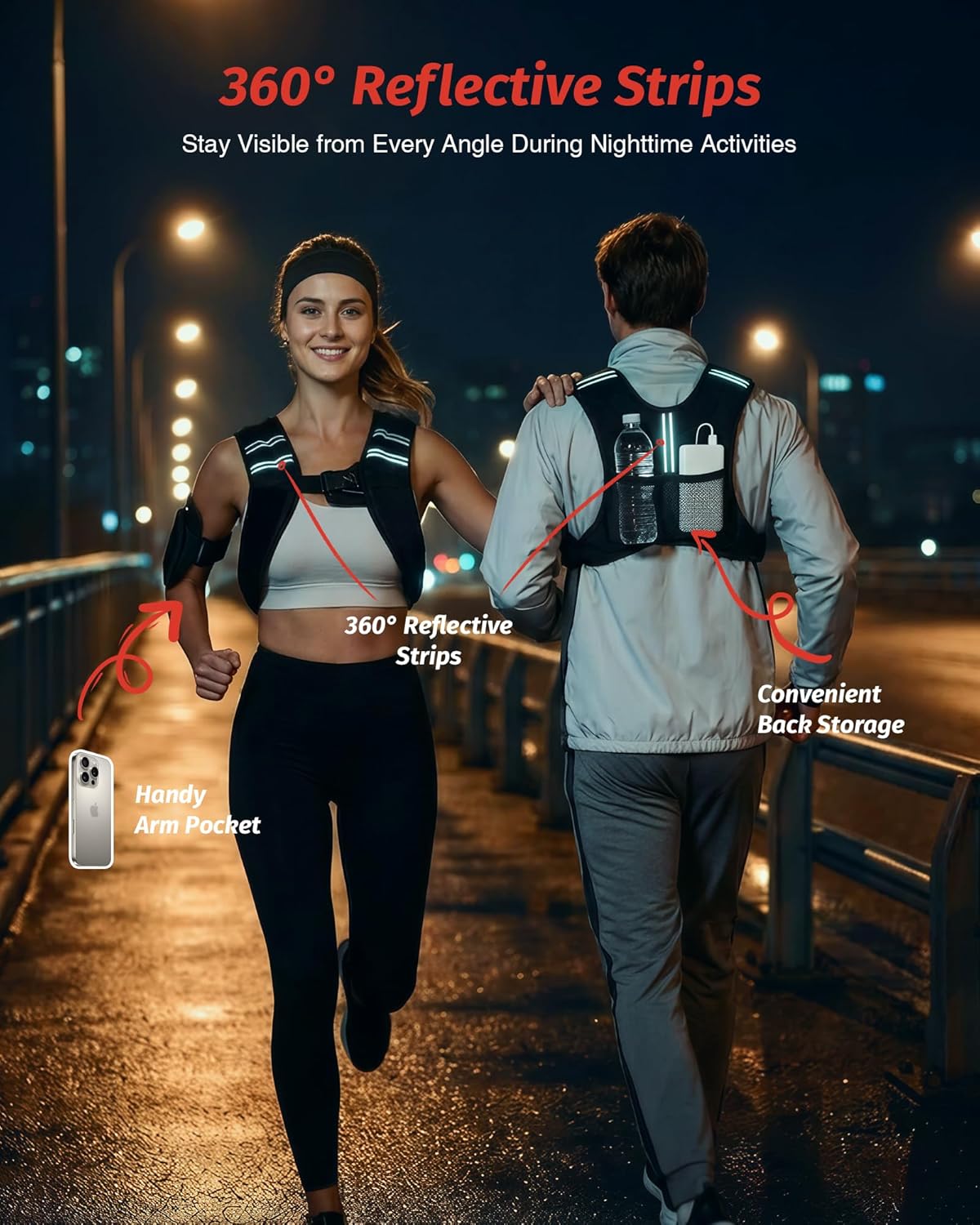
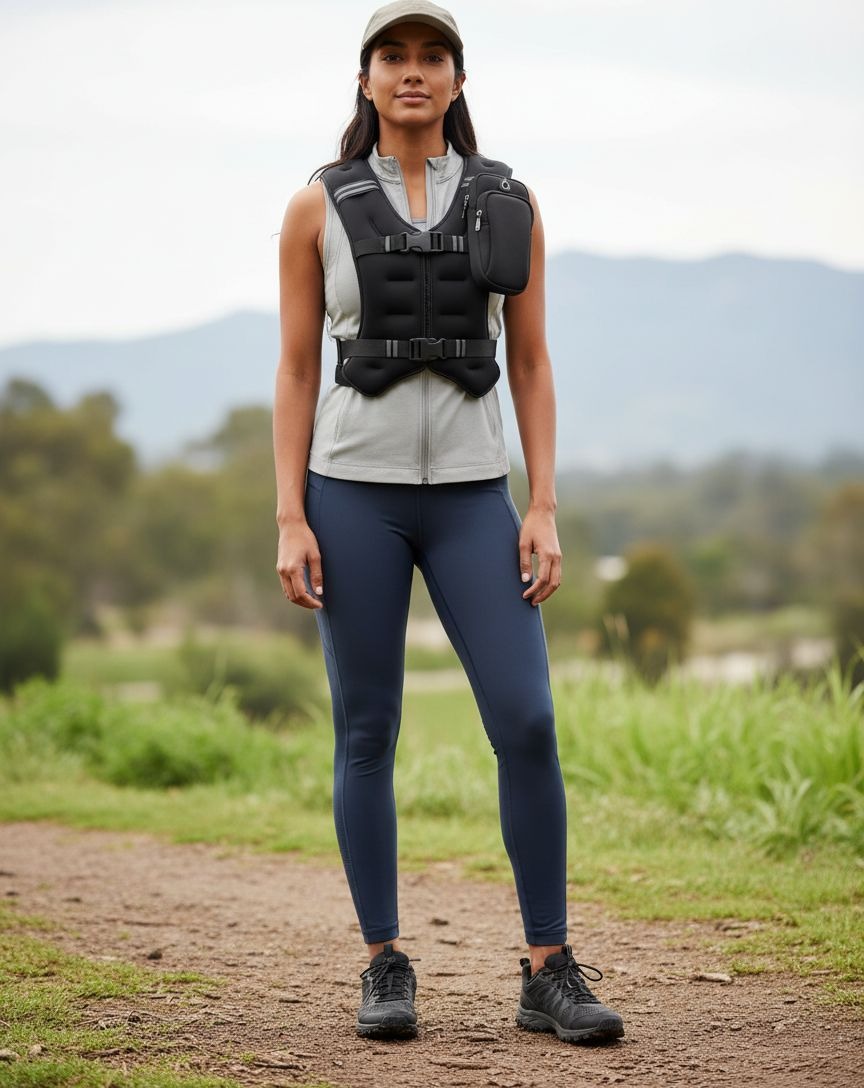
I wore the 6lb configuration over a long-sleeve moisture-wicking top, paired with my usual running tights and a pair of road shoes with a moderate heel drop. The reflective stripe ran horizontally across the chest, visible enough to feel genuinely functional before sunrise. By mile two, I’d stopped noticing the vest’s presence in the way you stop noticing a well-fitted backpack. By mile four, I was very aware of it again, specifically in my glutes and the backs of my calves, which meant the resistance was doing exactly what it was supposed to do. I finished feeling wrung out in the best way.
Session 2: Strength Circuit, Saturday Morning
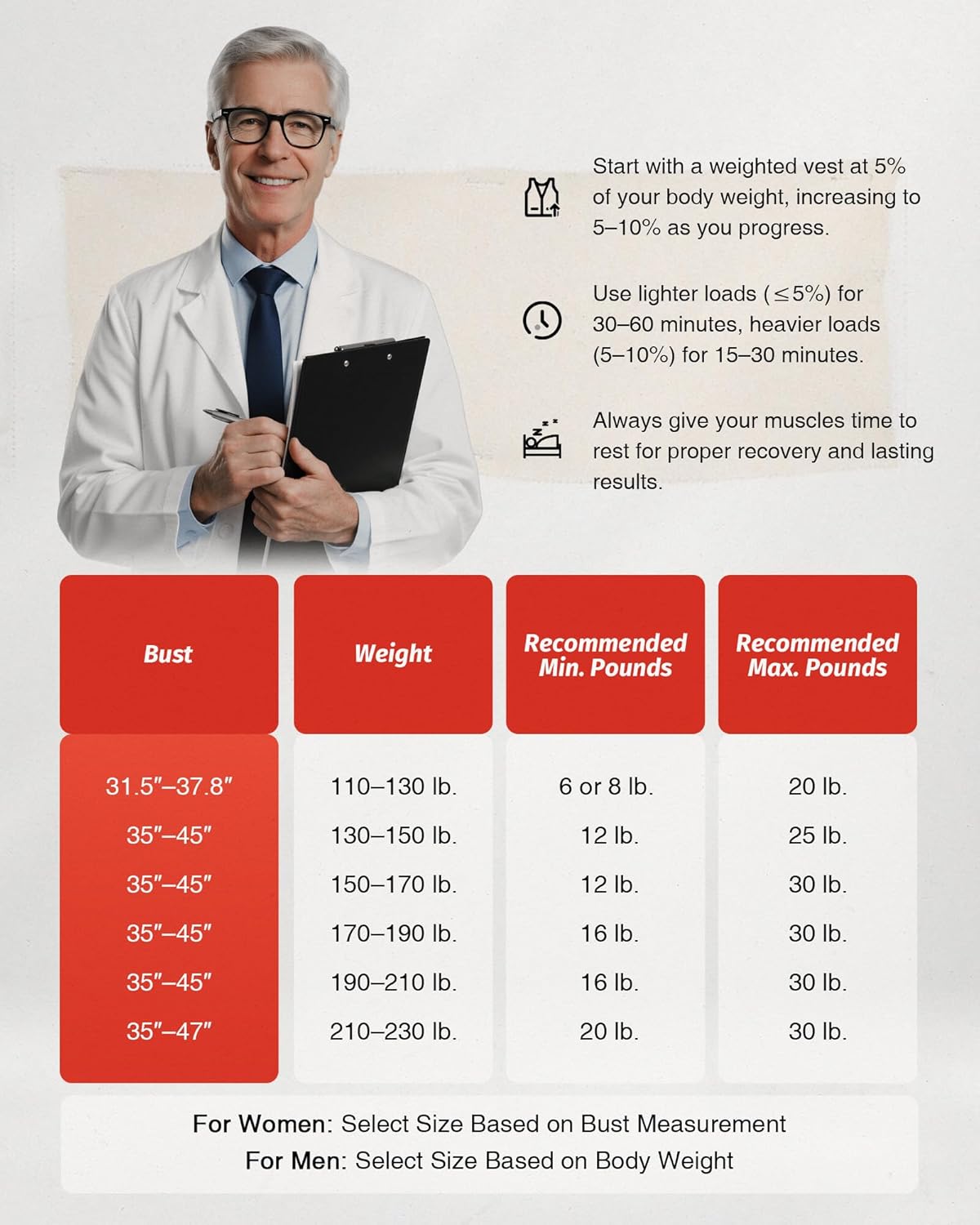
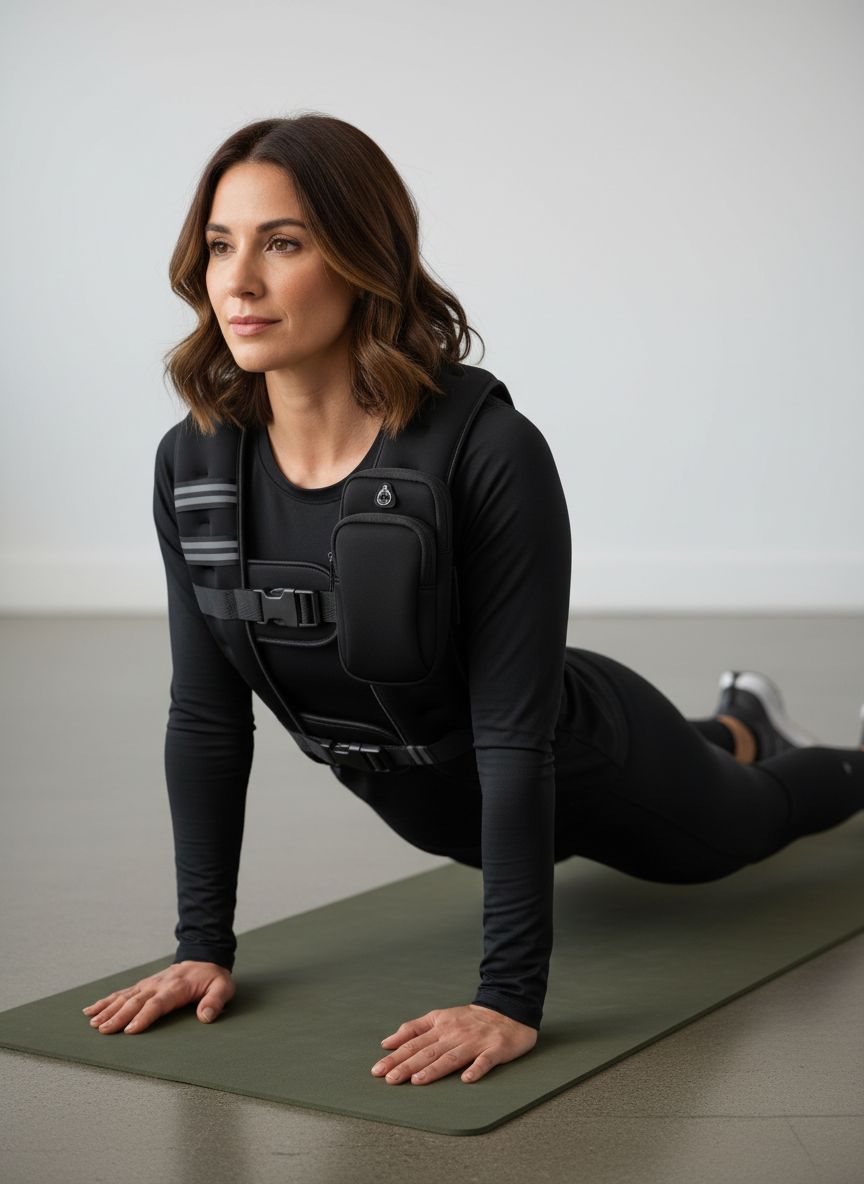
This was a 45-minute strength training session built around pull-ups, push-up variations, and loaded carries. I bumped the vest to the 12lb configuration, which required repacking the weighted inserts into the front and back pockets. The process took maybe four minutes and wasn’t fussy. The neoprene shell held its shape through every push-up, and the compression quality meant the vest acted almost like a second skin rather than a piece of external equipment. The added load on pull-ups was, in a word, humbling.
Session 3: Outdoor HIIT, Thursday Afternoon
Box jumps, burpees, lateral shuffles, sprint intervals. I kept the load at 8lb for this one because I wanted to move fast without sacrificing form. The vest stayed put through every lateral change of direction, which surprised me given how much rotational force a good burpee generates. By the sprint intervals, the sweat had saturated the base layer underneath, but the neoprene shell itself wiped clean easily afterward. No lingering smell after a single wash, which matters more than people admit when they’re reviewing gear.
What Other People Are Saying
With over sixteen thousand ratings and a 4.6-star average, the ZELUS Weighted Vest review consensus points clearly to one thing: buyers are consistently surprised by how well the fit holds up across different activities, particularly running and bodyweight training where cheaper vests tend to fail on weight distribution. The recurring thread in critical reviews is sizing, specifically that first-time buyers underestimate how the fit changes between weight configurations. Most who tried a size exchange reported the process was straightforward.
What that volume of feedback tells me editorially is that this is a vest people actually wear repeatedly, not a piece that gets unboxed, photographed, and shelved. High repeat-use rates in review data are usually a better signal than the star number itself. You can find similar consensus patterns across categories in the Women’s Health fitness gear coverage, where long-term wearability consistently ranks above first-impression novelty.
Who Should Skip It
If your primary training is Olympic lifting or heavy barbell work, a weighted vest is not your tool, and this one is no exception. The vest excels in bodyweight, running, and HIIT contexts, but it adds unnecessary variables to barbell mechanics where positional precision matters more than added load. Runners with a history of cervical spine or shoulder impingement issues should clear this category with a physio first, since even evenly distributed vest weight increases compressive load through the neck and upper traps over distance. And if you’re looking for a dedicated piece optimized purely for running with nothing else on your agenda, there are lighter, more aerodynamic options built specifically for that narrow use case. This vest is a generalist, and generalists are exactly right for some people and exactly wrong for others.
What It Replaces in My Kit Bag
I’d been using a soft plate carrier repurposed from a tactical fitness phase, which was doing a similar job but with worse weight distribution and zero adjustability. The ZELUS vest replaced that entirely within the first two weeks. It also quietly replaced the resistance bands I’d been looping around my torso for loaded push-up variations, because those bands have a way of snapping at the worst possible moment and leaving a welt. For anyone building out a progressive training kit from editor recommendations, a well-fitted weighted vest fills the gap between bodyweight plateaus and loaded barbell work more cleanly than most alternatives. This is the piece I’d put in a training gift guide for someone who’s outgrown basic bodyweight workouts and isn’t ready to commit to a full home gym setup.
FAQ
Does the ZELUS Weighted Vest fit well over different body types?
The adjustable side cinches accommodate a fairly wide range of chest and torso measurements, but the fixed panel length suits medium-to-tall torsos best. Shorter torsos may find the lower edge of the vest sits at an awkward point on the hip during high-knee movements.
How does the neoprene shell handle sweat during long runs or intense HIIT?
The neoprene itself doesn’t wick moisture the way a performance knit would, so your base layer carries the moisture-management load here. After sessions, the vest wipes down easily and dries quickly; it hasn’t developed any odor retention issues across repeated use.
Can I wear the ZELUS Weighted Vest for both running and lifting sessions?
Yes, and that cross-activity versatility is genuinely its strongest argument. The fit is snug enough for running without bounce, and the compression quality works equally well for pairing with lifting-focused kit or a fitted lifting tank during strength circuits.
Does the build quality match what you’d expect at this price point?
For what you’re paying, the finish is notably above the category average. The neoprene shows no signs of delaminating or distorting after months of consistent use, the stitching at the pocket closures has held under repeated loading and unloading of the weighted inserts, and the reflective element hasn’t faded or peeled. The value reads well above what you’d expect from an accessible everyday training piece.
How does the weight adjustment system work, and is it easy to change mid-session?
The weighted inserts slide in and out of structured pockets in the front and back panels. Changing configurations takes a few minutes and is easy enough to do trackside or in a gym lobby, though you probably wouldn’t do it mid-workout.
The Verdict
I’ll be wearing the ZELUS Weighted Vest on my next long tempo run, and the week after that I’ll probably have it on for a Saturday morning pull-up circuit in the backyard. That’s the rhythm it’s settled into: not a specialty tool I pull out for specific occasions, but a regular part of how I add progressive resistance to sessions that would otherwise plateau. The combination of adjustable weight increments, honest compression fit, and cross-activity versatility makes a strong case for this vest in a category crowded with single-use products. The reflective stripe is a detail that earns its place on early-morning and post-sunset runs in a way that feels considered rather than decorative. For a deeper look at how weighted vests fit into broader strength programming, the Outside Online gear coverage and Runner’s World gear desk both address how resistance tools interact with endurance training in ways worth reading before you commit to a loading protocol. At this price point, with this level of build quality and this range of use cases, the ZELUS Weighted Vest earns its place in a serious training kit. If you’ve been looking for one piece that bridges bodyweight, running, and HIIT without compromise, this is it.
Every Angle
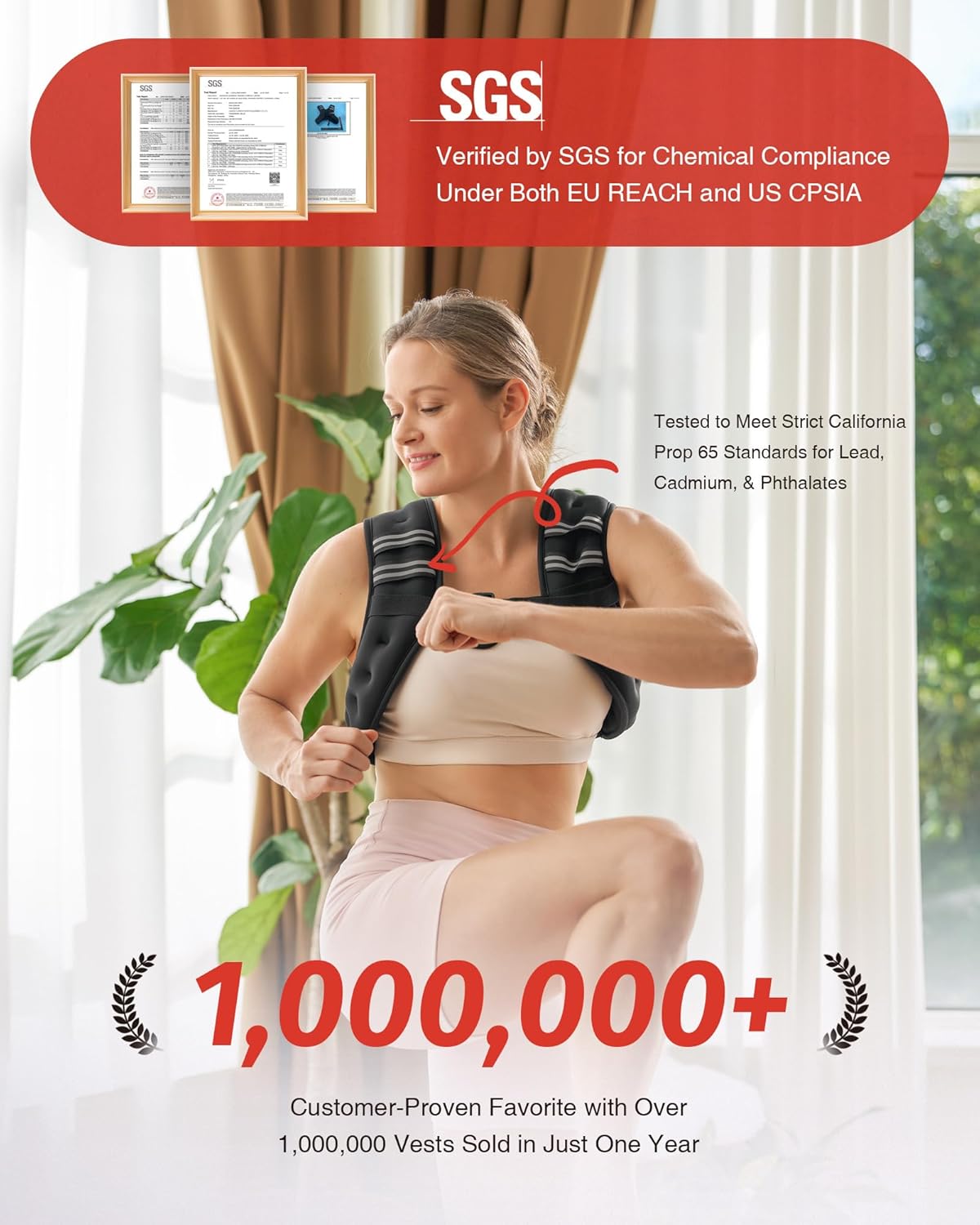
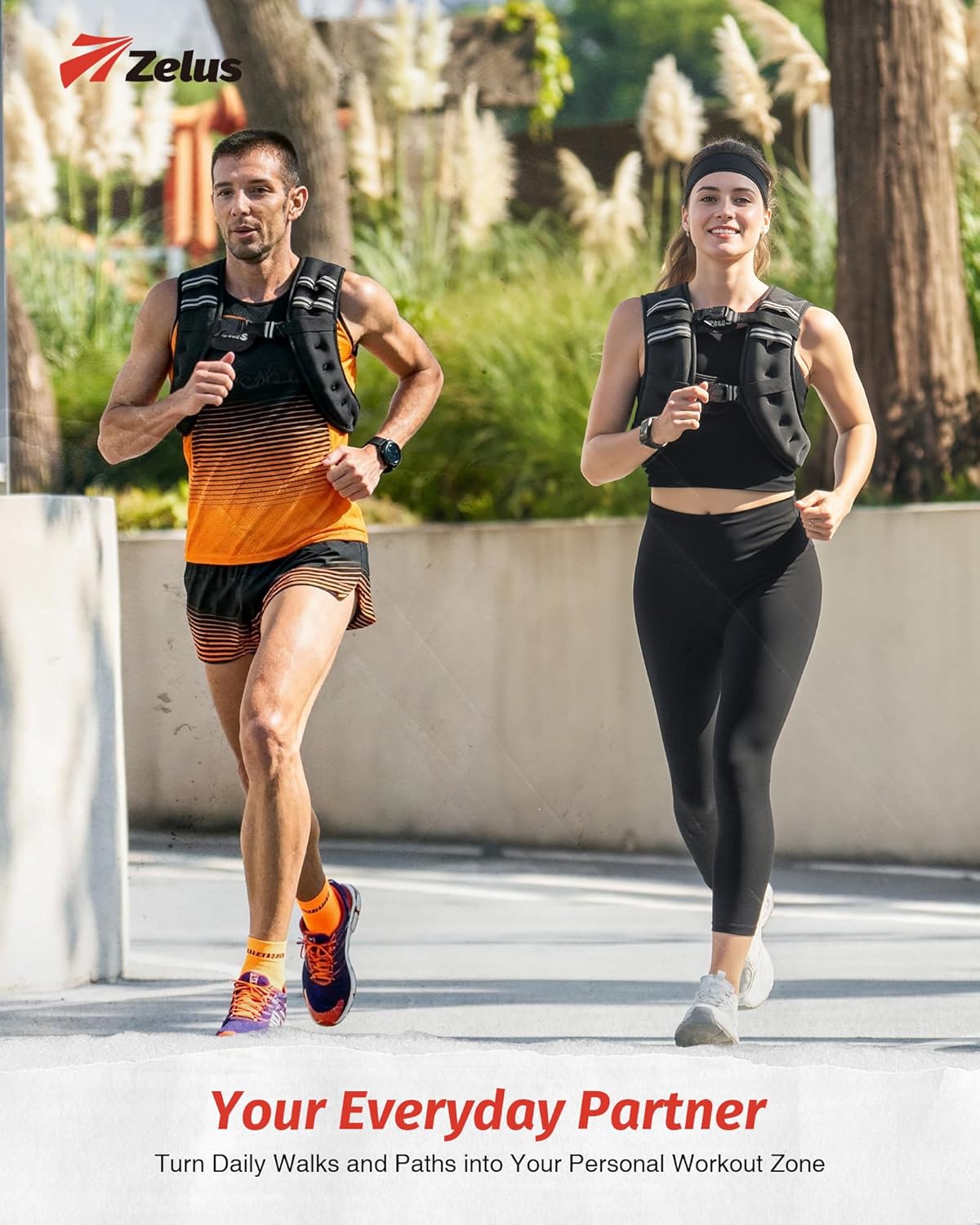
The piece as photographed for Amazon — front, side, back, detail.
As an Amazon Associate I earn from qualifying purchases.