Under Armour Movement Ankle Leggings: Honest Review
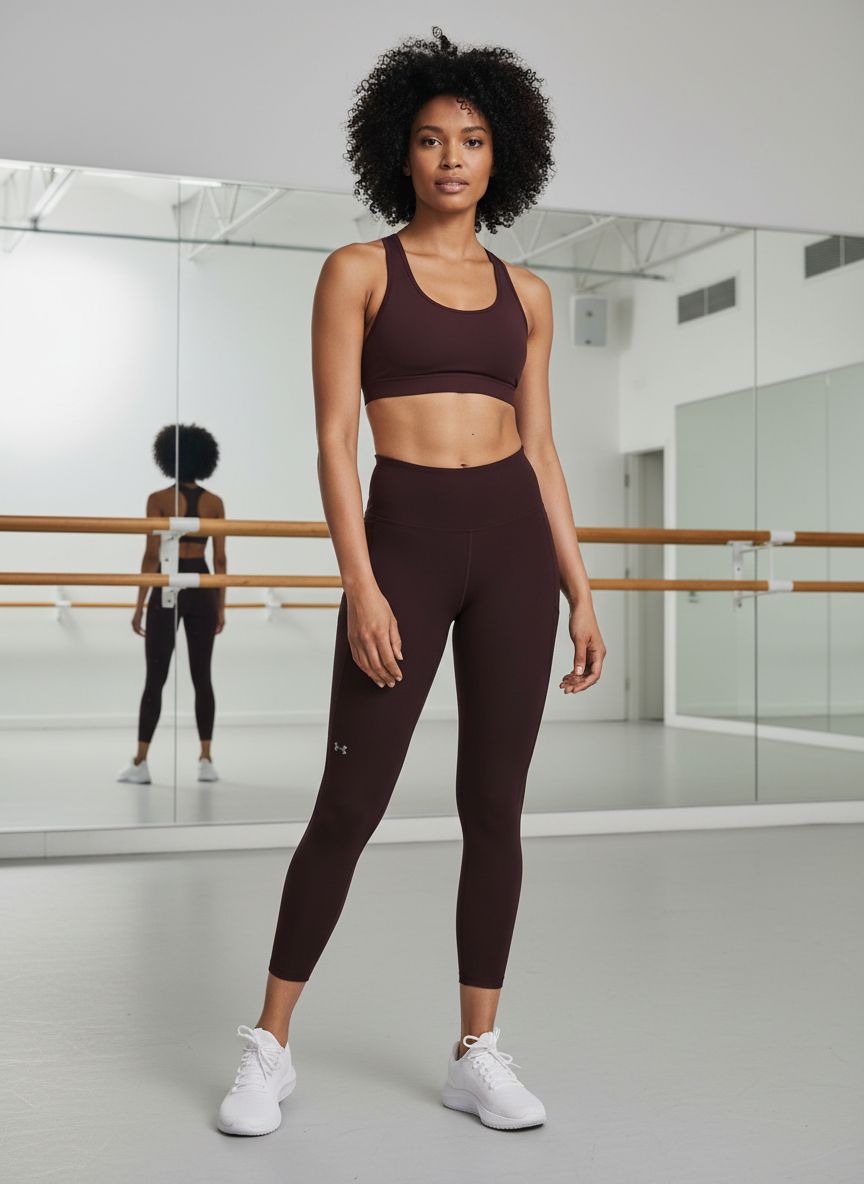
Six weeks, three wildly different workouts, and one pair of black ankle leggings that kept showing up in the bottom of my gym bag, clean or not.
It was a Tuesday in late February, the kind of morning where the gym smells like rubber mats and someone else’s pre-workout, and I had exactly 40 minutes to squeeze in a HIIT circuit before a full day of back-to-back calls. I grabbed the Under Armour Women’s Movement Ankle Leggings off the chair where I’d left them from Sunday’s yoga session, pulled them on without thinking, and didn’t think about them again for the next 38 minutes. Not once. That’s either the highest compliment a pair of running leggings can earn, or a sign that I was working too hard to notice my own clothes. Probably both.
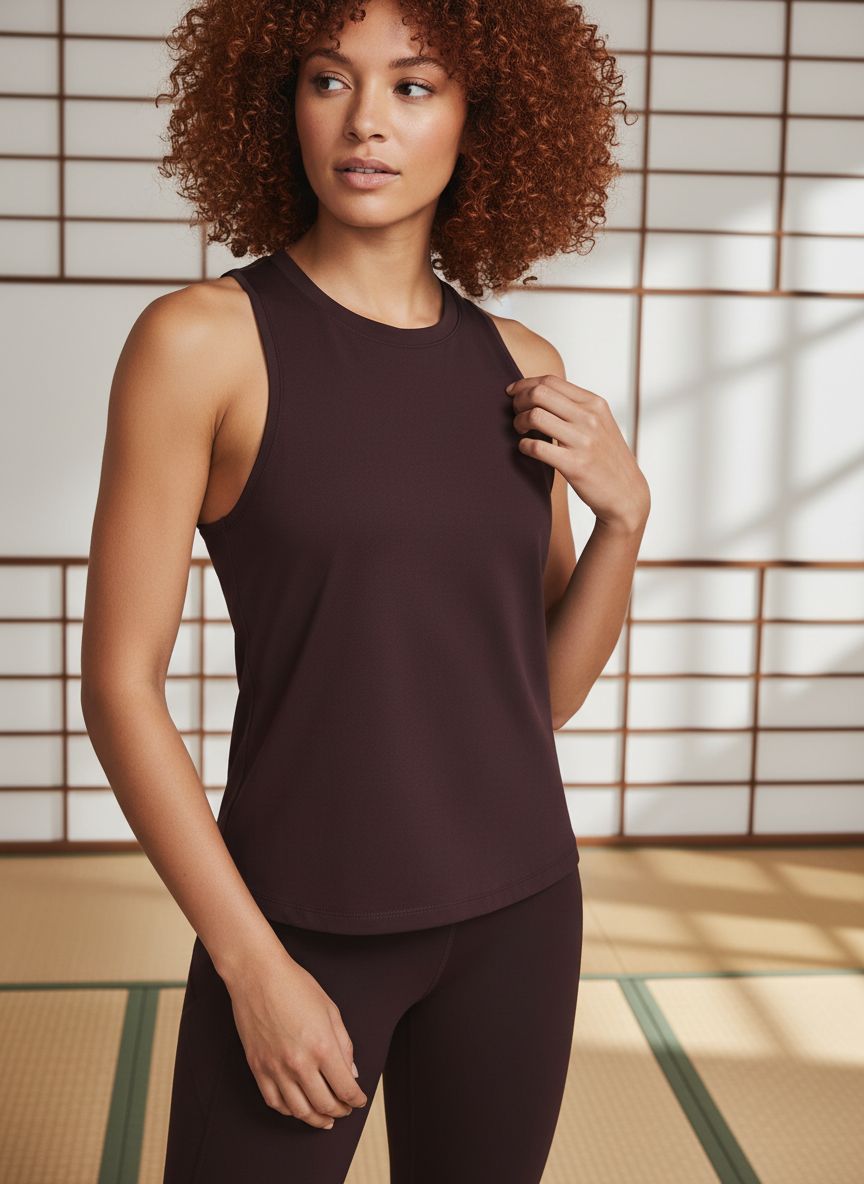
The First Time I Wore It
I came across these through a rabbit hole of tab-switching that started somewhere around “best running leggings for cold-weather training” and ended in an Under Armour product page I had not planned to visit. The name didn’t immediately sell me. “Movement” felt vague, like a branding word chosen in a conference room. But the ankle length caught my attention, because most of my leggings hit at some ambiguous mid-calf point that reads neither here nor there in the mirror. These promised a cleaner line, and I wanted to see if they delivered on that.
I put them in a cart the way I put most things in carts: with the intention of deleting them later. I didn’t delete them. If you’re building out a kit that crosses disciplines, explore our editor’s top activewear picks before you commit to a single category.
How It Actually Fits in Training
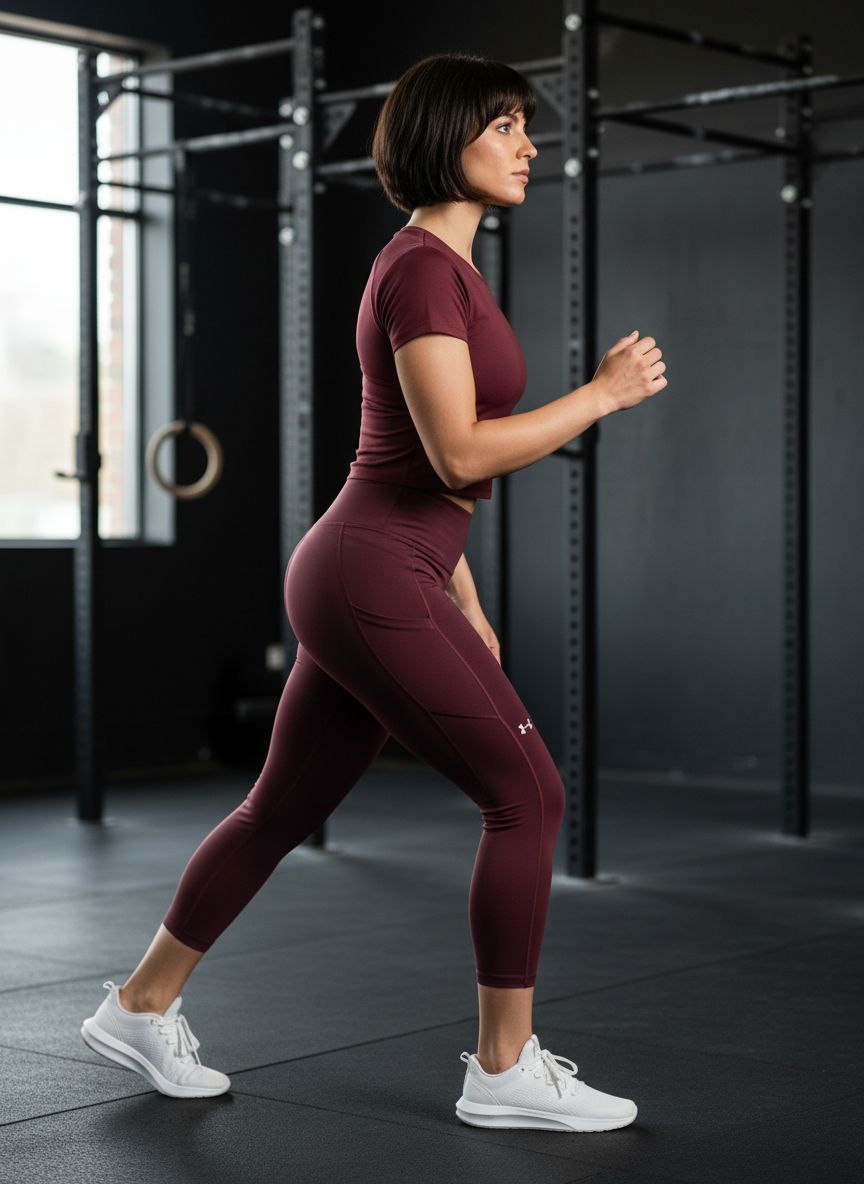
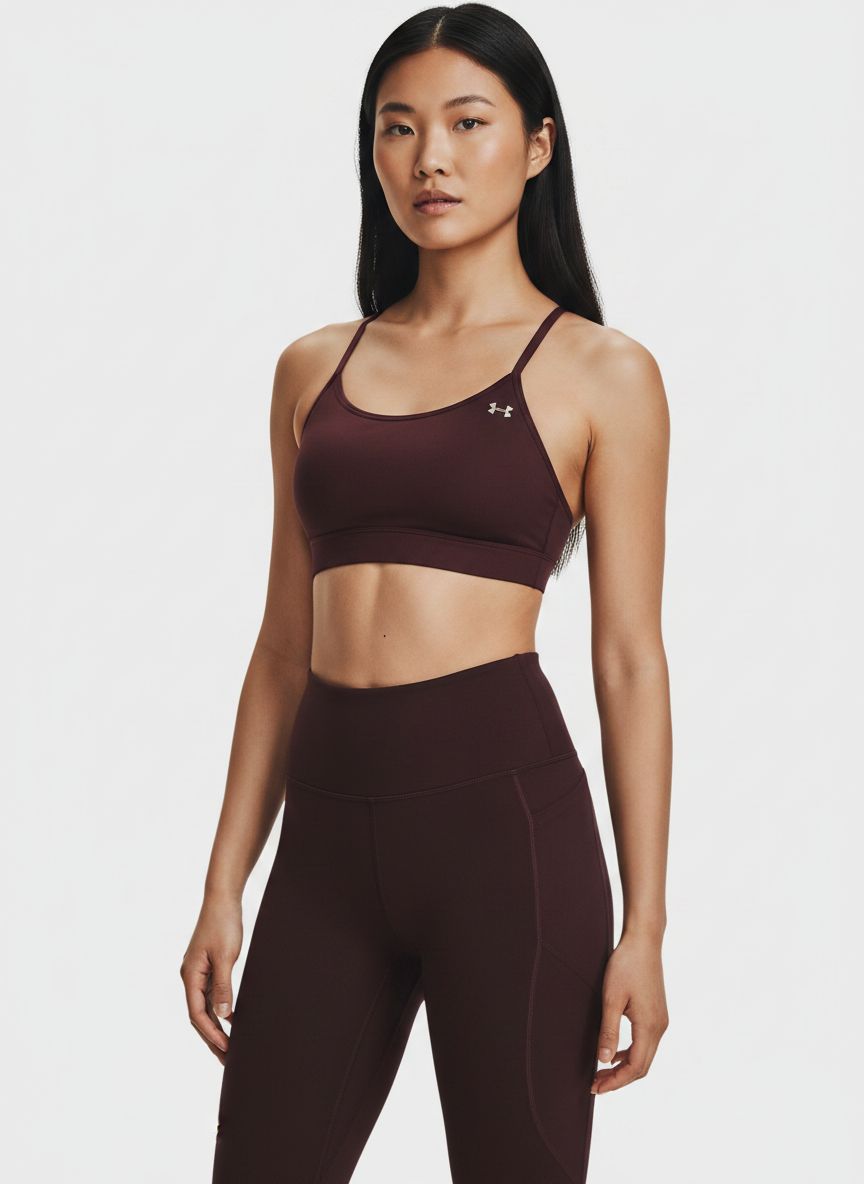
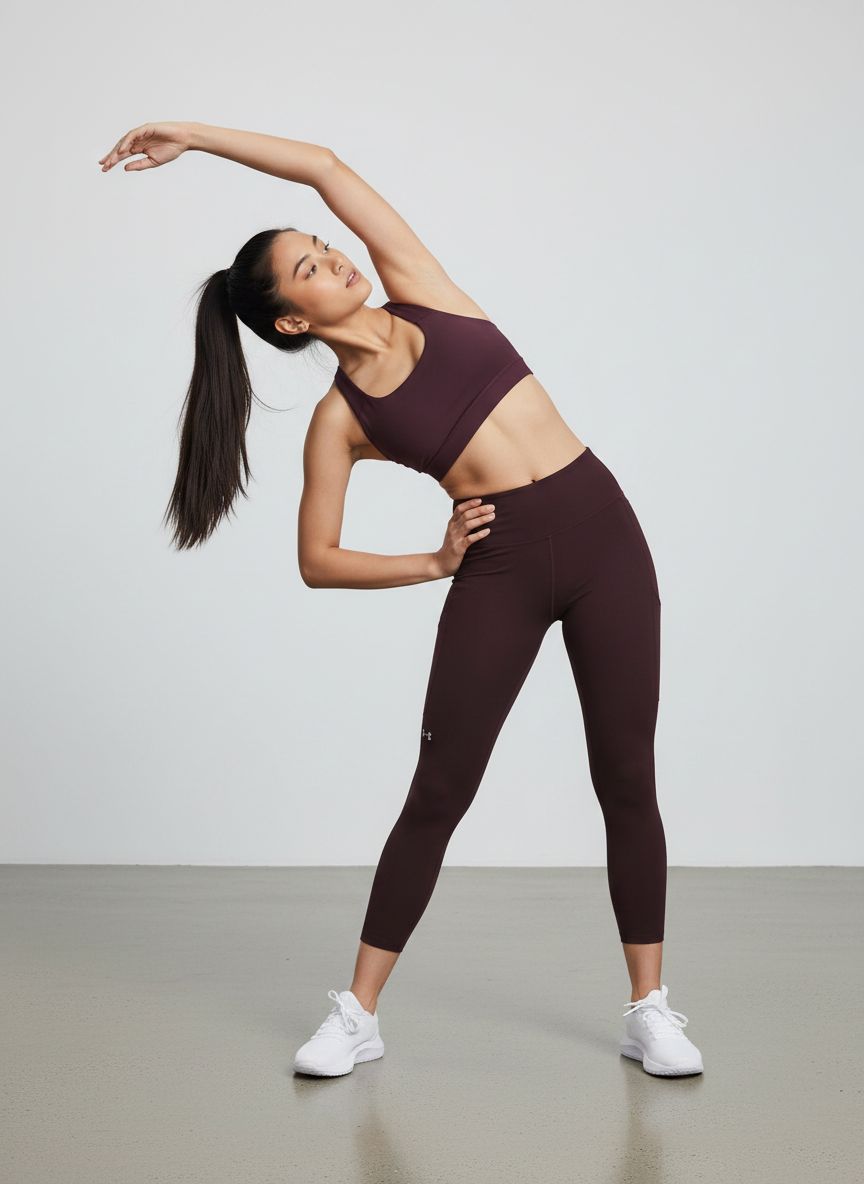
The fit is genuinely fitted, which sounds obvious until you’ve worn a pair of leggings labeled “fitted” that behave like a yoga pant with ambition. These sit close across the hip and thigh without compressing in a way that makes you feel packaged. The waistband is flat and wide, and during a Tabata circuit that included lateral shuffles, burpees, and a sprint interval on the treadmill, it didn’t roll once. The four-way stretch fabric moved cleanly through a deep squat, didn’t bag at the knee when I came back up, and the ankle hem stayed exactly where it was supposed to stay, which is to say, at the ankle.
“The waistband didn’t move. Not during burpees, not during the sprint, not even during the cool-down stretch when nothing behaves.”
There’s one honest thing worth saying: the fabric is on the thinner side, which is mostly an asset in warm conditions but means these aren’t a cold-weather outdoor legging. On a 34-degree morning run I tested them under a longer layer and they were fine, but solo in winter temps they’d read more as a base layer than a standalone. For a broader look at how performance fabrics stack up across conditions, Self’s activewear roundup has solid seasonal context. The moisture-wicking tech performs quietly, which is the right kind of performance: you notice it only when you think back and realize you weren’t damp two miles in.
The Sessions I Actually Wore It For
Session 1: 4-Mile Easy Run, Saturday Morning
I wore these with a loose long-sleeve pullover, a low-profile sports bra underneath, and my Hoka Clifton 9s. It was that specific kind of early morning where the light is flat and grey and the neighborhood is empty except for one other person walking a dog. The leggings moved with my stride without any interior thigh friction, which is something I didn’t know I was benchmarking until I felt the absence of it. By mile three, I’d stopped cataloguing how they felt and was just running. That’s the sign of a good fit: it disappears.
Session 2: Yoga Flow, Sunday Afternoon
This was a 60-minute vinyasa class, the kind that starts slow and ends in a puddle. In a downward dog, the fabric didn’t creep up the back of the leg. In warrior two, the inner thigh panel didn’t pull or pinch. What surprised me was how the nylon-spandex blend handled the heated room: not clammy, not transparent under studio lighting, which is a non-negotiable for anyone who’s had a studio-lighting incident. If yoga is your primary training mode, check out Women’s Health’s fitness gear coverage for legging picks that skew more yoga-specific. These hold their own in that context, but they’re built broader than a dedicated yoga tight.
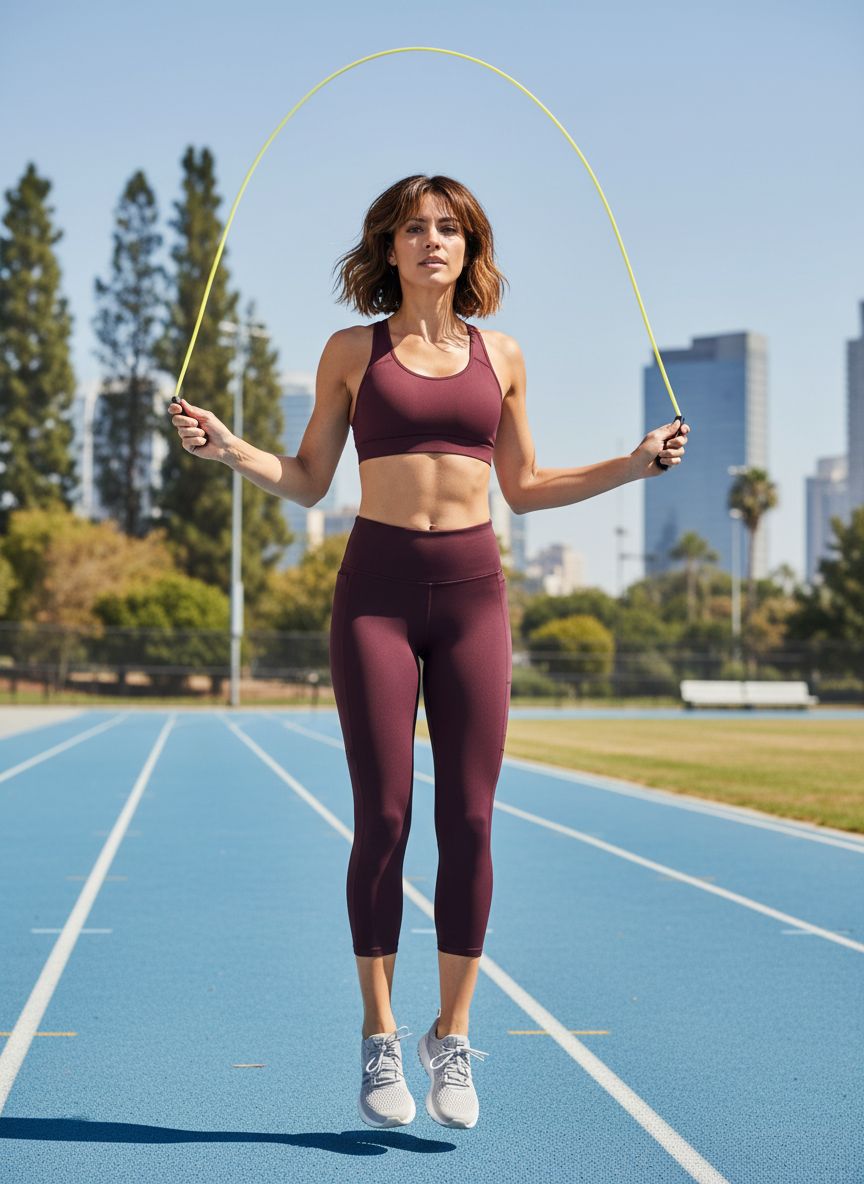
Session 3: HIIT Circuit, Wednesday Evening
This is where I’d argue these fitted training leggings are most at home. The session included box jumps, kettlebell swings, lateral band walks, and a finisher on the rower, and the ankle length meant no fabric bunching at the cuff when I was in a bent-knee position on the rower. I wore them with a fitted racerback and low-top trainers, and the whole kit felt deliberately sporty without trying hard. By the third round I was sweating properly and the waistband was still exactly where I’d placed it at the start.
What Other People Are Saying
With just over 50 ratings, this is still a relatively early data set, but the pattern in the feedback is consistent: most people land on the same things I did. The waistband gets specific praise. The length gets mentioned repeatedly as a reason people repurchase. A few reviewers note the same thinness concern I flagged for cold-weather use, and several mention that the fit runs true to size, which is useful given that Under Armour’s sizing can vary by silhouette.
A 4.2 rating across 51 reviews doesn’t indicate a cult following yet, but it does suggest a piece that’s quietly performing for the people who chose it, without major disappointments pulling the score down.
Who Should Skip It
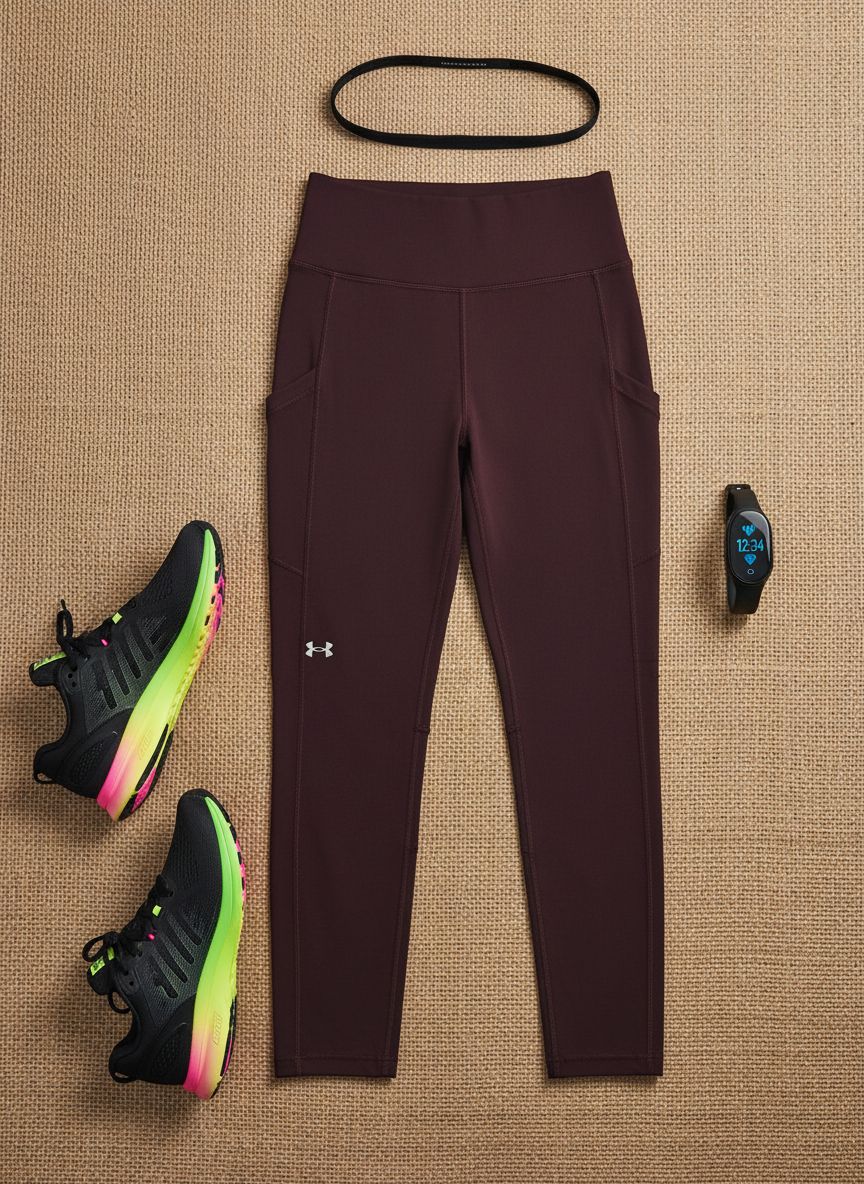
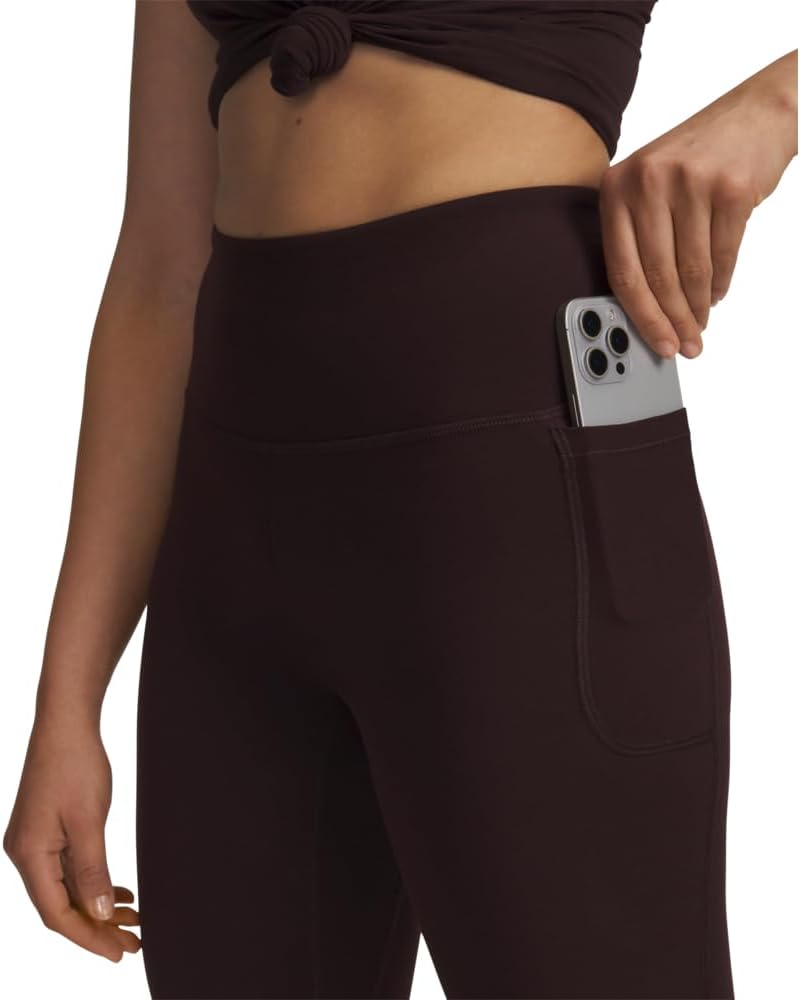
If you run outdoors in genuinely cold temperatures and prefer a single-layer legging that handles wind and sub-freezing air, these aren’t that. They’re built for indoor training and temperate outdoor conditions, and asking them to be a winter running tight will leave you underthermal. Similarly, if you prefer a high-compression feel, the kind that makes your legs feel held together rather than just covered, the fitted profile here is more relaxed than compressive, and that distinction matters if compression is part of your recovery or performance strategy. Anyone shopping specifically for running shorts or lighter training bottoms for hot-weather use might find even this weight too much in summer months. And if pocket space is a requirement, know that the storage situation is minimal, which is a real limitation for distance runners who carry fuel or a phone mid-run.
What It Replaces in My Kit Bag
I had an older pair of training tights, a different brand, that I’d been wearing out of habit rather than preference. They’d gone slightly fuzzy at the inner thigh after a year of regular use, the waistband had developed a slight fold at the front that I’d learned to ignore, and the ankle length had crept up to a strange mid-calf point after washing. Replacing them felt overdue. These stepped into that exact slot, handling the same range of sessions, from a morning run to a strength day to a yoga class, without requiring me to think about whether they were the right choice for the activity. That versatility is the actual value here, not any single feature in isolation. If you’re building out a multi-activity kit, our activewear gift guide has a broader range of picks across categories worth cross-referencing.
FAQ
Do these run true to size?
In my experience, yes. The fitted profile means you’ll feel the fabric close to your body, but it’s not a compression tight. If you’re between sizes and prefer more ease, size up.
How do they handle sweat, and can I machine wash them?
The moisture-wicking performance is consistent across moderate-to-high intensity sessions. Machine wash cold, lay flat or tumble low to dry, and avoid fabric softener, which degrades the wicking finish over time.
Can I wear these for both yoga and running, or do they skew one way?
They genuinely work across both, though I’d call them slightly better suited to high-output training than to slow, floor-based yoga where a softer hand feel might be preferred. For dedicated studio sessions, pair them with breathable training tops to keep the overall kit feeling balanced. For running-specific gear context, Runner’s World’s gear section is worth a scan for complementary picks.
Is the build quality worth what you’re paying for?
For this price point, the finish reads above what you’d typically expect. The seam construction is clean, the waistband feels reinforced rather than flimsy, and after six weeks of regular wear and washing, there’s no pilling or stretch-out. The value-to-durability ratio is one of the stronger arguments for this piece.
What’s the sizing range, and what’s the return policy like?
Under Armour offers a broad size range across most legging styles. Return policies vary by retailer, so check the specific return window before purchasing, especially if you’re sizing between options.
The Verdict
Three weeks from now, when I’m pulling something out of the clean-laundry pile at 6 a.m. before a tempo run, I’ll reach for these. Not because they’re flashy, not because they made a specific session feel transformative, but because they’ve become the reliable option, the one that doesn’t require thinking. That reliability is harder to engineer than most brands make it look, and Under Armour got it right here. The four-way stretch holds up, the ankle length stays honest, the waistband behaves, and the moisture-wicking does its job without fanfare. If you train across multiple formats and want one legging that handles all of them competently without asking you to justify the investment every time you put them on, this is a smart choice. For what you’re paying, the level of finish and the cross-activity versatility make a strong case against spending more on a single-discipline piece. For anyone researching the best running leggings for multi-sport training, the Under Armour Movement Ankle Legging review lands firmly in the “buy it” column. A well-built, honest training legging that earns its place in regular rotation.
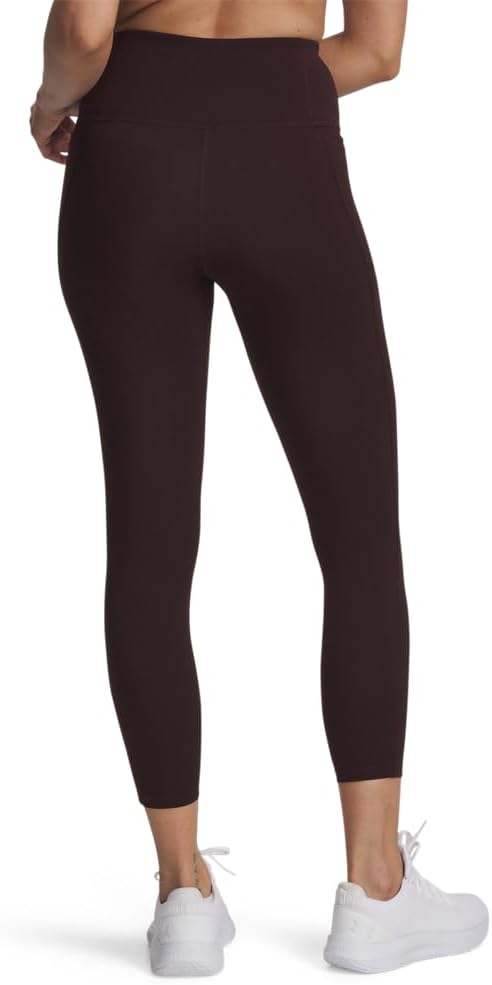
Every Angle
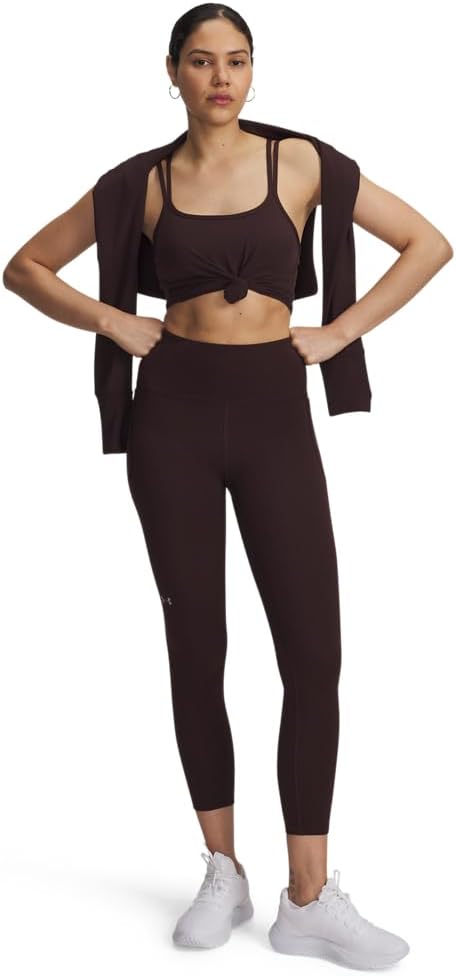
The piece as photographed for Amazon — front, side, back, detail.

As an Amazon Associate I earn from qualifying purchases.