Merino Wool Base Layer Crew: Honest Review 2025
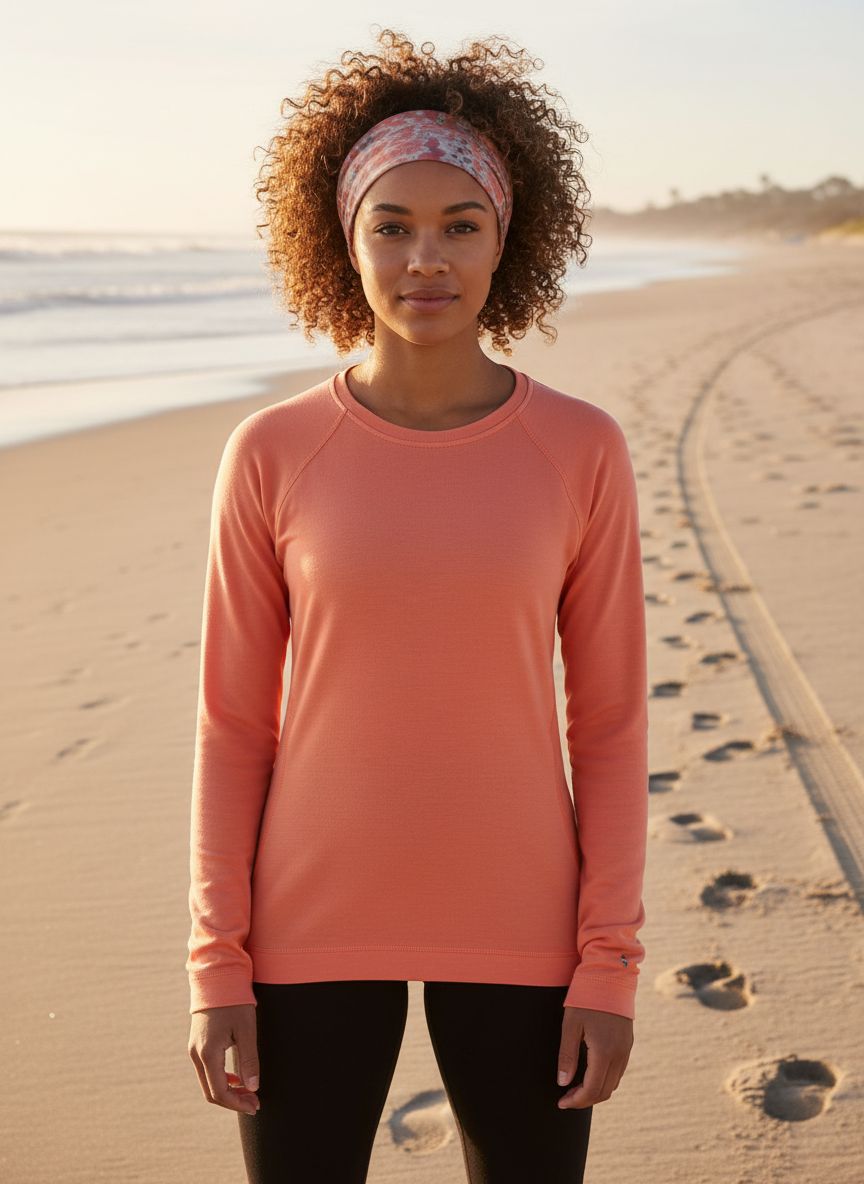
The Smartwool Women’s Classic Thermal Merino Base Layer Crew turned my most-dreaded cold-weather runs into something I actually looked forward to, and I needed a full month of freezing mornings to believe it.
**The thermometer read 19 degrees** when I clipped my headlamp and stepped onto the driveway at 6:15 on a Tuesday in January. The kind of cold that makes your nose hairs freeze on the inhale, that turns your breath into a small theatrical fog, that makes every rational part of your brain ask why you did not simply stay in bed. I was wearing the Smartwool Women’s Classic Thermal Merino Base Layer Crew under a shell, and by the time I hit the first hill, something unexpected happened: I forgot about the cold entirely. Not because I was numb. Because I was warm. Actually, evenly, quietly warm.
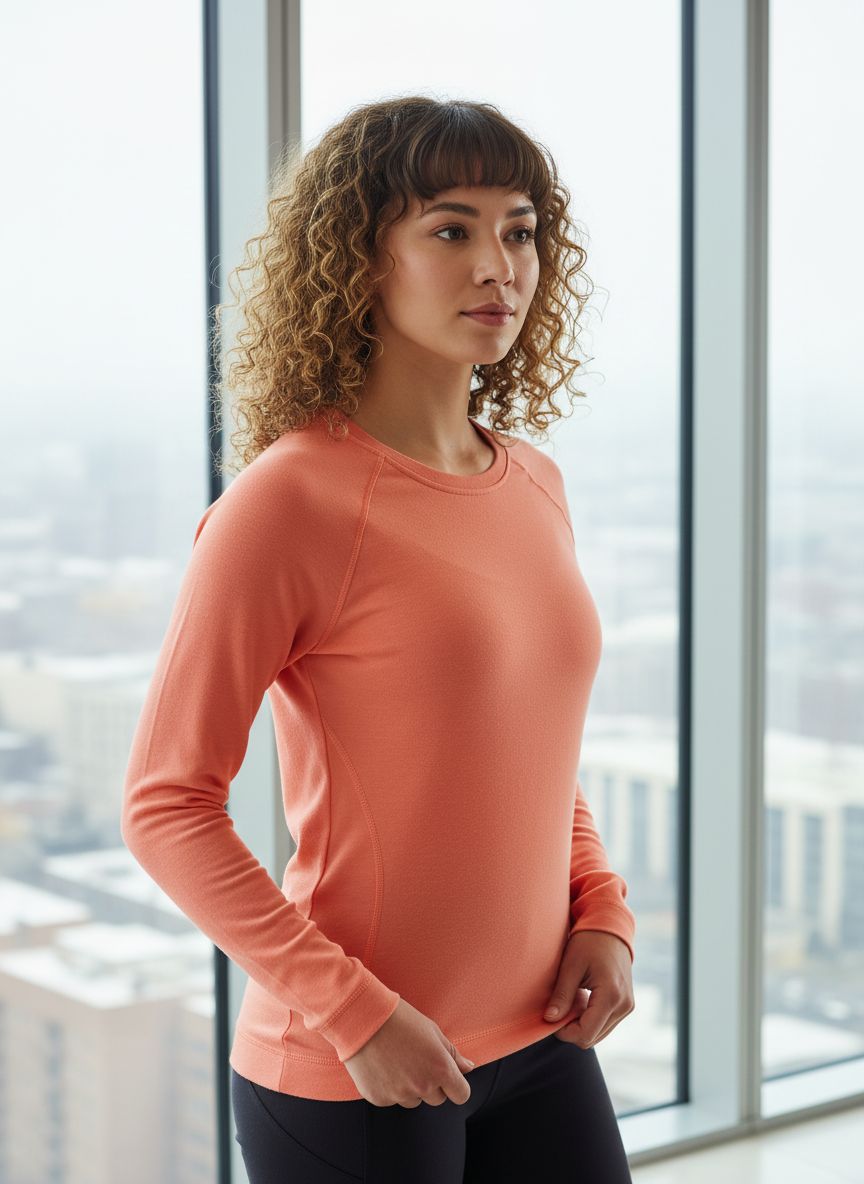
The First Time I Wore It
I had been browsing through performance outdoor base layer tops for a solid three weeks before this one stopped me. I had tried the usual synthetic suspects, the kind that promise everything on the hangtag and then leave you clammy and regretful by mile two. A colleague had been wearing Smartwool merino layers for hiking and ski touring for years and kept insisting I was missing something. I finally stopped resisting in November, when a forecast of back-to-back single-digit mornings convinced me that whatever I had been doing was not working.
The charcoal colorway looked serious and clean in the product photo, which honestly helped. But it was the brushed interior detail that made me click. The idea of that texture against skin on a dark, frozen morning felt like the right kind of small luxury. I ordered it, told myself I would give it four weeks, and set a reminder to actually write down what I noticed.
How It Actually Fits in Training
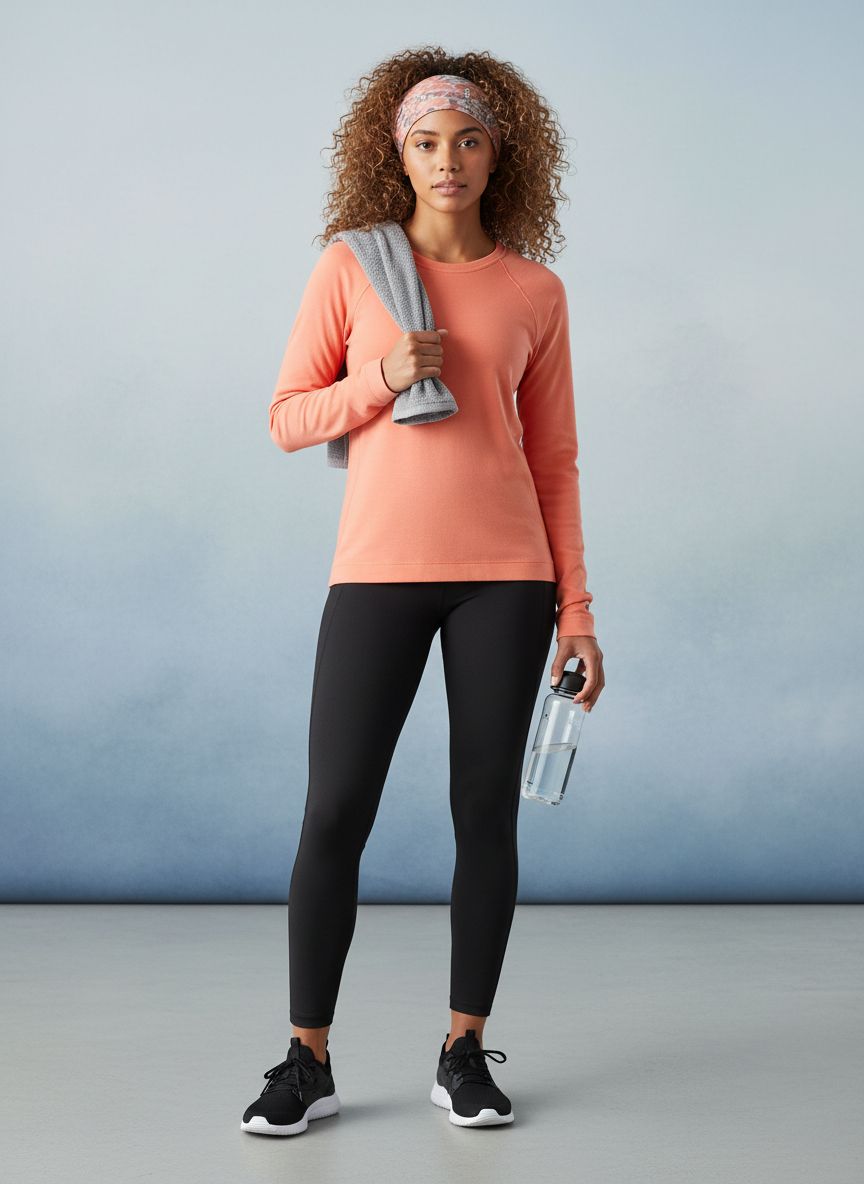
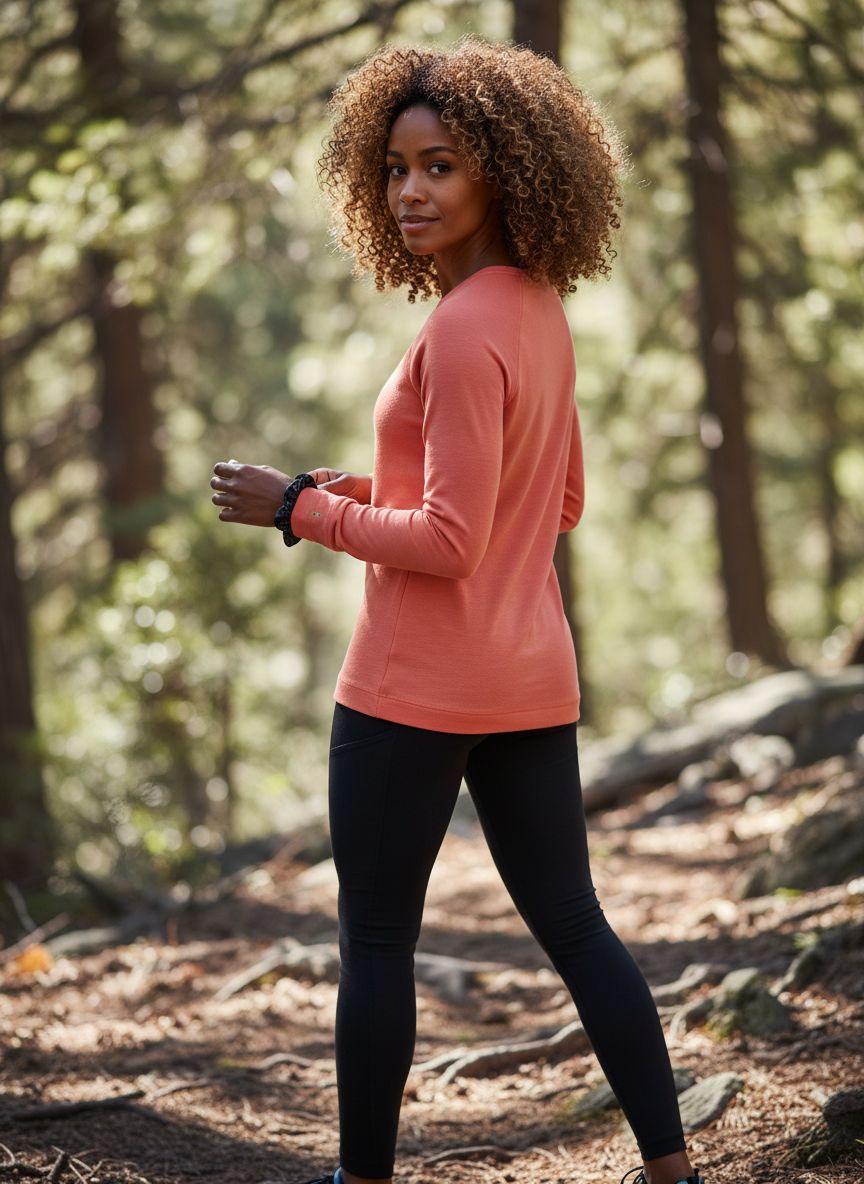
The fitted silhouette runs true to size with just enough stretch to layer without bunching under a vest or shell. The crew neckline sits exactly right, not so high that it feels restrictive when your breathing gets hard, not so low that cold air finds a gap. Under my arms on a tempo run, the fabric moves with me rather than riding up, which is the single thing I cannot forgive in a base layer. The brushed interior feels noticeably softer than typical performance knits, and on the first few wears, that texture is genuinely pleasant against bare skin.
“By mile three, I stopped thinking about the fabric entirely, which is the highest compliment I can give any piece of cold-weather running gear.”
One honest note: the fitted cut does mean that if you run warm or tend to layer heavy, you may find the sleeves slightly snug under a thick mid-layer. It is not a dealbreaker, but it is worth sizing up if you plan to wear a bulkier jacket over top. I also noticed that after repeated washing, the charcoal retained its depth better than I expected, though the brushed interior texture did soften slightly over the first six or seven cycles. For more on how merino wool fabric technology compares to synthetic alternatives in cold-weather gear, the team at Outside’s outdoor gear desk has done thorough side-by-side testing worth reading.

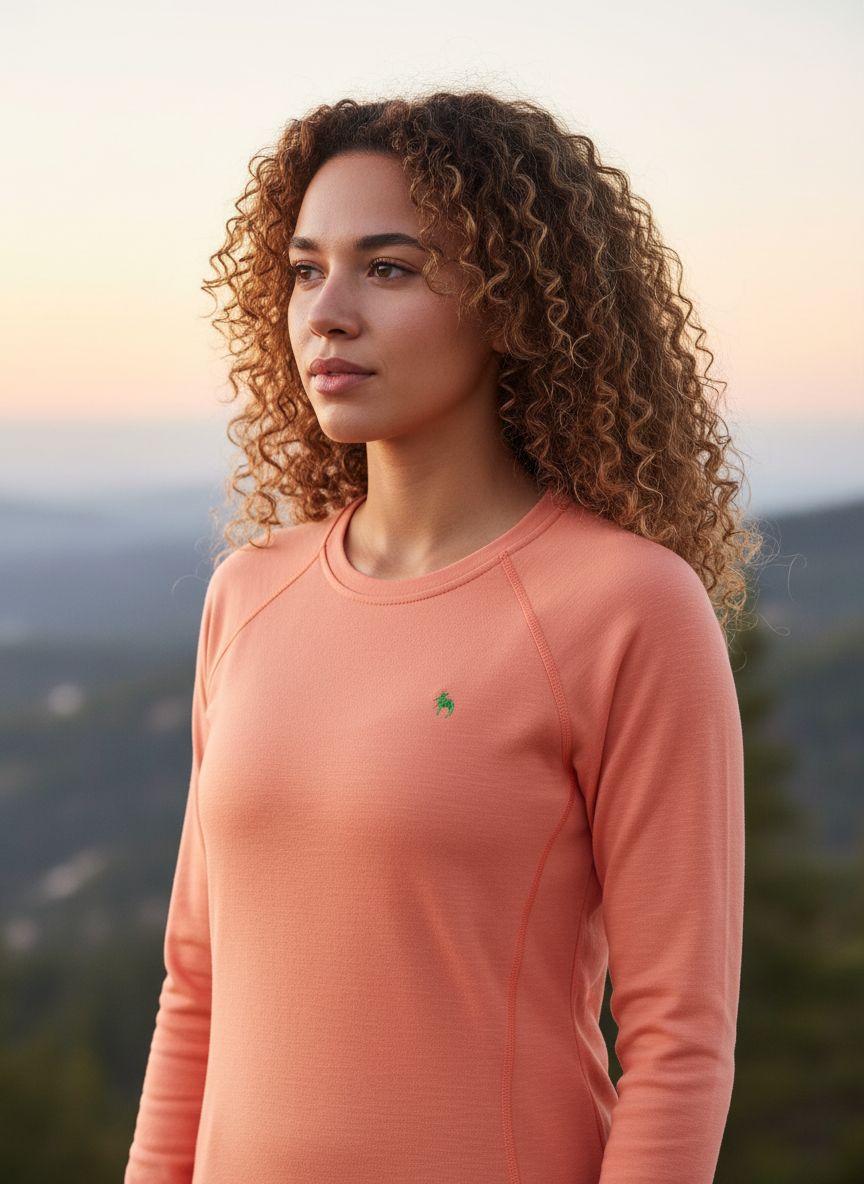
The Sessions I Actually Wore It For
Session 1: 6-Mile Easy Run, Thursday Morning, 24 Degrees
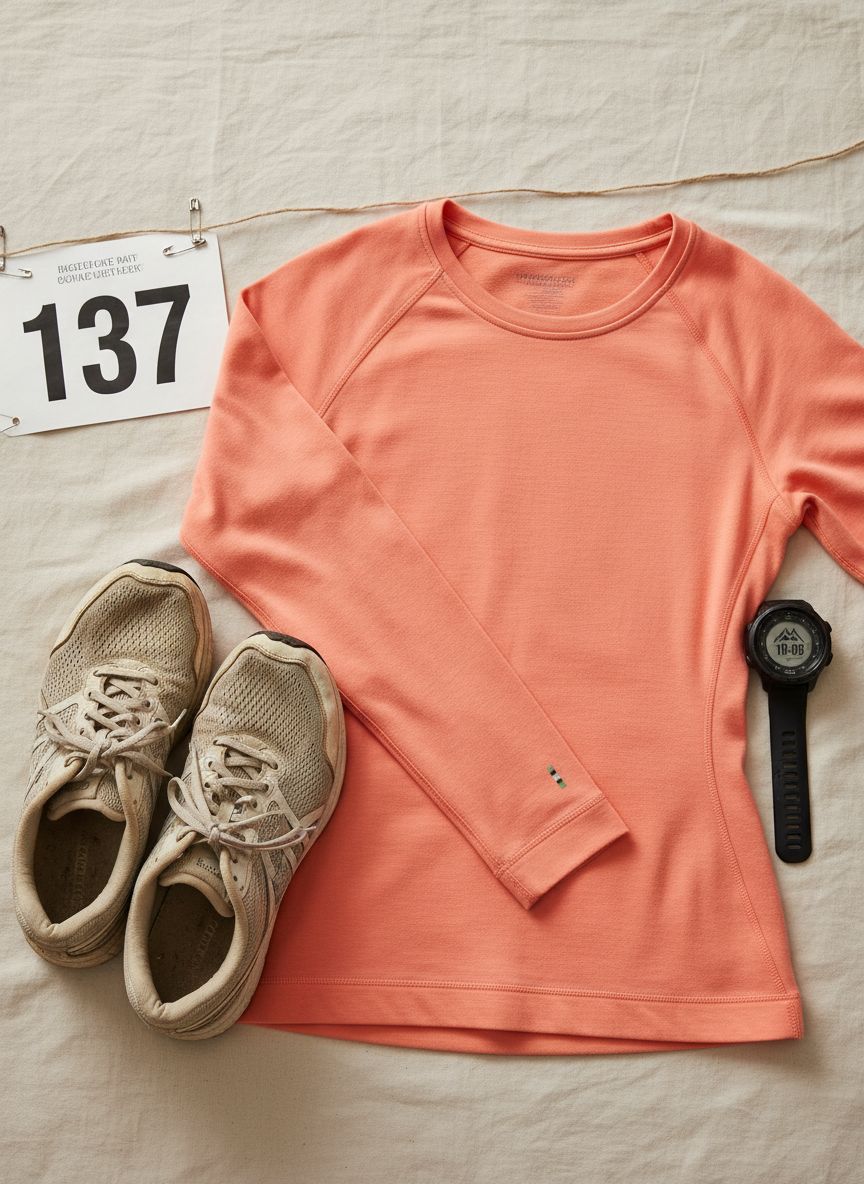
I wore the Smartwool crew directly against skin, with a lightweight wind shell over top and a knit buff pulled up to my chin. On my feet, trail runners with a thin wool sock. Watch on left wrist, handheld bottle in my right. The first half mile I was cold, as I always am. Then the layer did its thing. The moisture-wicking performance became obvious around mile two, when I pushed the pace on a long gradual climb and felt the fabric pulling sweat away from my back rather than holding it there. I finished the run damp but not soaked, and when I stood at the top of my stairs stretching, I was not hit with the sudden chill that usually follows the moment I stop moving.
Session 2: Snowshoe Approach, Saturday, Variable Effort
This is where a thermal merino base layer earns its place in serious cold-weather kits. I wore the Smartwool crew under a fleece mid-layer and a hard shell for a three-hour snowshoe loop that swung between flat trail cruising and steep switchback climbing. The temperature regulation that merino is known for actually showed up in a meaningful way here. On the hard climbs I was not overheating. On the open ridgeline traverses where the wind picked up, I was not cold. The fabric found a middle range and more or less stayed there, which is genuinely difficult to achieve with synthetics at this activity intensity.
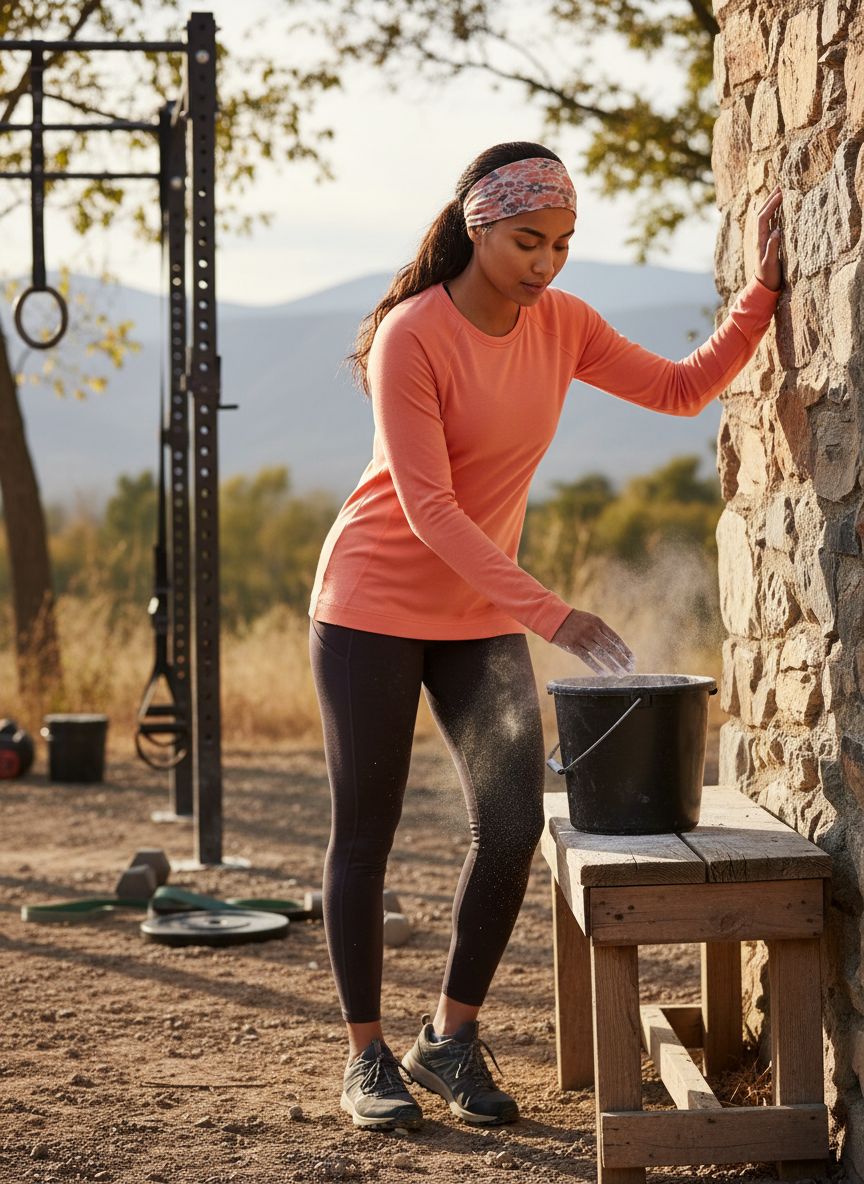
Session 3: Resort Ski Day, All-Day Wear
I wore the Smartwool crew as my first layer under a fitted ski pant bib and a waterproof jacket for a full day on the mountain. This is a different kind of test because ski resort body temperature swings are brutal, from the lodge line to a mogul run to the gondola queue to a sunny cat track. The merino handled the range without protest. I was not peeling off layers by midmorning, which is usually my routine. By afternoon, the crew still felt clean against my skin, which is the other thing merino does well: it resists the particular odor that synthetic base layers accumulate over a full day of wear.
What Other People Are Saying
With over 600 ratings averaging at 4.6, the consensus leans heavily positive, with reviewers consistently flagging the softness of the brushed interior and the temperature regulation as the two features they return to. A handful of reviews note the same fitted-sleeve observation I mentioned, and a few wish for a slightly longer hem for tuck-ability. Nobody complains about durability after repeated washing, which is often the first place merino base layers reveal their weaknesses.
What stands out in the aggregate is that reviewers come from genuinely different activity backgrounds, runners, skiers, hikers, people who just want a warm commuter layer, and they all land in roughly the same place. That range of use cases tells you something about how the piece actually performs across conditions. Our editor picks for cold-weather activewear pull from a similar cross-activity lens, if you want more comparison context.


Who Should Skip It
If your cold-weather training is limited to gym sessions or indoor cycling, this is not the right tool. The thermal insulation and merino fabric weight are calibrated for outdoor conditions, and wearing it in a heated space will have you overheating within the first fifteen minutes. Similarly, if you run very hot and your winter runs typically have you stripping layers by the second mile regardless of temperature, a lighter merino option or a moisture-focused synthetic will likely serve you better here. The fitted cut is also worth flagging for anyone who prefers a relaxed or slightly oversized base layer silhouette. This one is cut close, and it is designed to be. If you find form-fitting long-sleeve tops uncomfortable during high-effort work, the fit will read as restrictive rather than supportive. And if you are looking for something you can also wear for hot yoga or indoor Pilates, browse our outdoor bottoms category or look elsewhere entirely for that use case.
What It Replaces in My Kit Bag
I had been rotating through two synthetic long-sleeve base layers that I bought at different points over the last few years, one from a big outdoor brand, one from a running label. Both are technically fine. Both do the job up to a point. But the Smartwool crew has moved them to the back of the shelf in a way that surprised me. The difference shows up most in longer efforts, anything over ninety minutes outdoors in the cold, where the synthetics eventually start to feel damp and the merino just continues to regulate. For cold-weather running in particular, that distinction matters in a way it does not during a 30-minute shakeout.
I also used to reach for a heavier fleece pullover as my first layer on ski days, which meant I was always slightly overdressed on the descent and slightly underdressed in the lift line. The Smartwool thermal crew solves that specific problem neatly. It has become my consistent first layer for anything that happens below 35 degrees. You can see how I build out full cold-weather layering systems in the outdoor jackets section of the site, and for a broader outdoor training perspective, Runner’s World’s gear desk publishes solid cold-weather layering guides each fall.
FAQ
Does the fitted cut work for layering under a jacket?
Yes, the slim silhouette is designed for layering and works well under most mid-layers and shells. If your outer layer runs particularly slim, consider sizing up in the base layer to avoid any compression at the sleeves.
How does the fabric handle heavy sweat during high-intensity runs?
The moisture-wicking merino manages moderate to high sweat effectively, pulling moisture away from skin without the clammy feel of many synthetic alternatives. At maximum effort over very long distances, some dampness will accumulate, but it dries faster than you might expect and does not hold odor the way synthetics do.
Can I wear this for activities beyond running and skiing?
Absolutely. The thermal merino base layer translates well to hiking, snowshoeing, winter cycling with a wind layer over top, and even cold-weather travel days. The crew neckline and solid charcoal colorway make it a flexible piece across outdoor contexts.
Is the build quality consistent with Smartwool’s reputation?
In my experience, yes. The seam construction feels deliberate and does not show signs of stress after repeated high-output sessions and regular machine washing. The fabric weight and interior finish both read above what you might expect for a piece in this tier, which is part of why the value proposition lands so convincingly for frequent cold-weather training.
How does sizing run, and what is the return situation like?
Sizing runs true in most cases, though the fitted cut can feel snug if you prefer room for layering underneath. Smartwool’s sizing guide is detailed and worth consulting. Most major retailers carrying the line offer standard return windows, so trying it before committing long-term is straightforward.
The Verdict
There will be another January Tuesday at 6:15 a.m., another frozen driveway, another headlamp click. And I will put this layer on without thinking twice. That automatic reach is the real test for any piece of cold-weather running gear, and the Smartwool Women’s Classic Thermal Merino Base Layer Crew has passed it consistently over a full season of outdoor work. It is not flashy. It does not announce itself. It simply makes cold-weather training more manageable and, on the better mornings, genuinely enjoyable. For what you are paying, the level of finish and the breadth of activity it covers represent real value in this category. If you are serious about winter running or any sustained cold-weather outdoor pursuit, this is the piece to build your layering system around. Browse the full range of cold-weather outdoor training gear we cover on the site, or check Self’s best workout clothes roundups for additional context on how this category is evolving. **The Smartwool thermal merino crew is the cold-weather base layer I stop recommending to friends because I keep needing it for myself.**
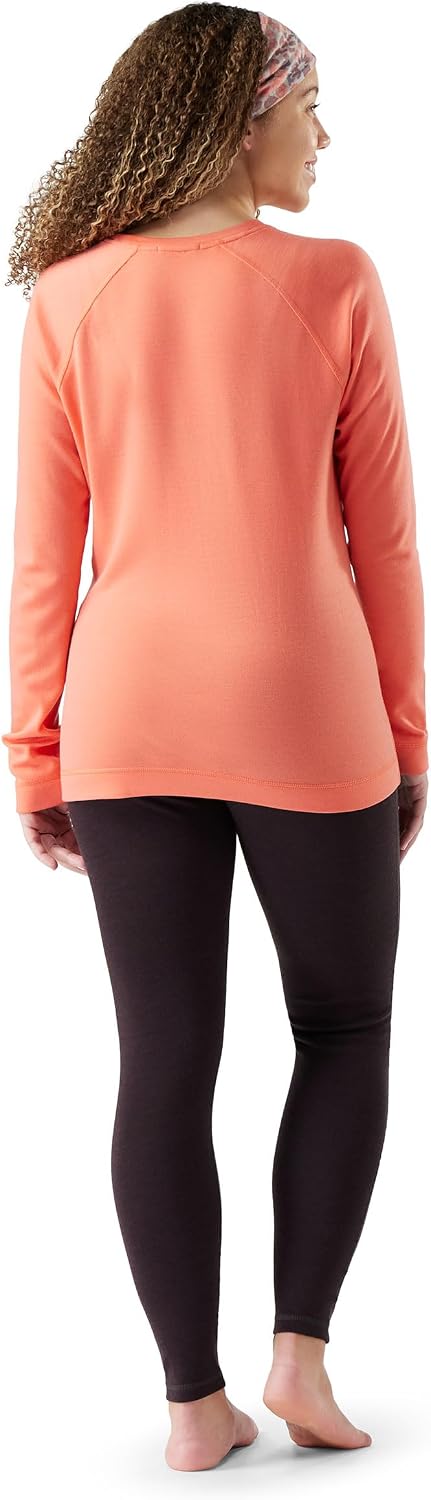
Every Angle
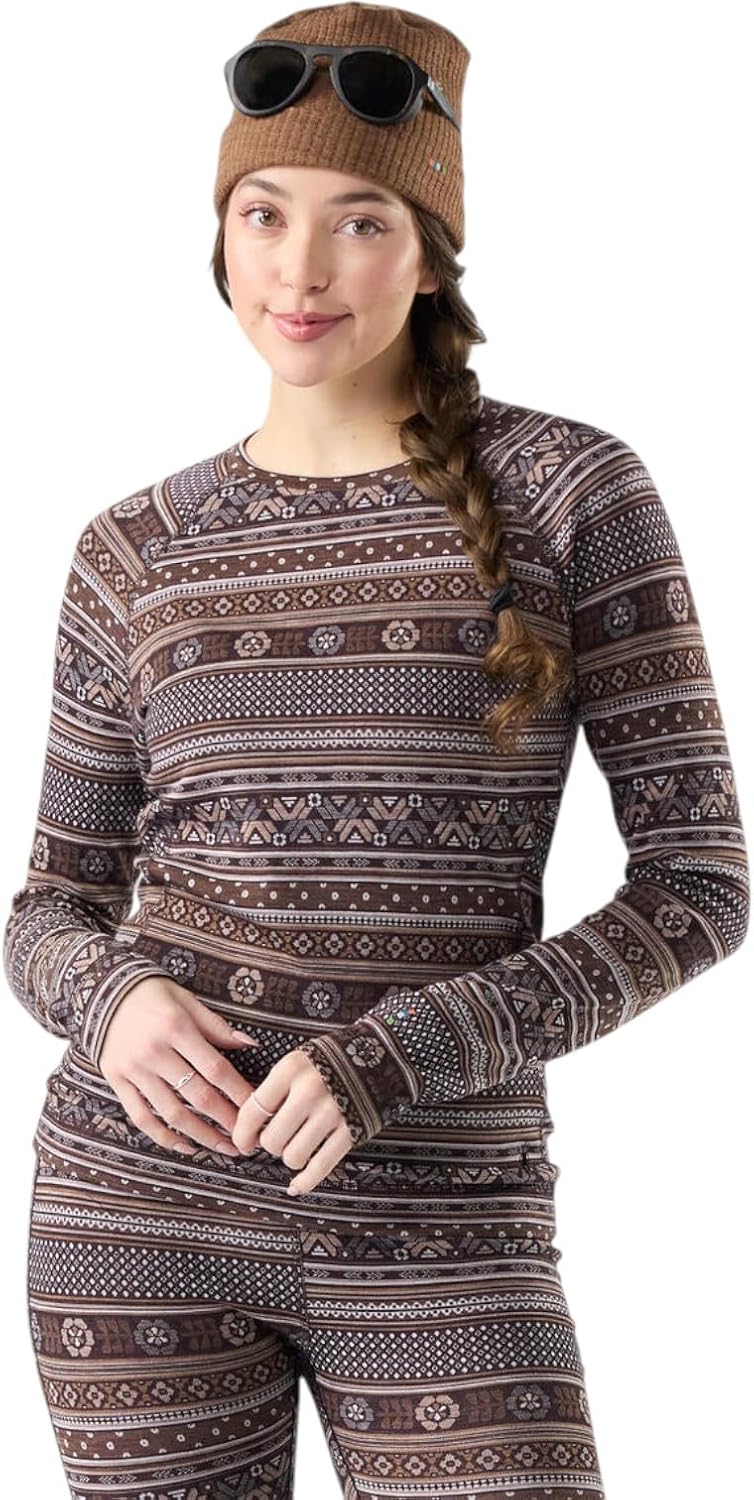
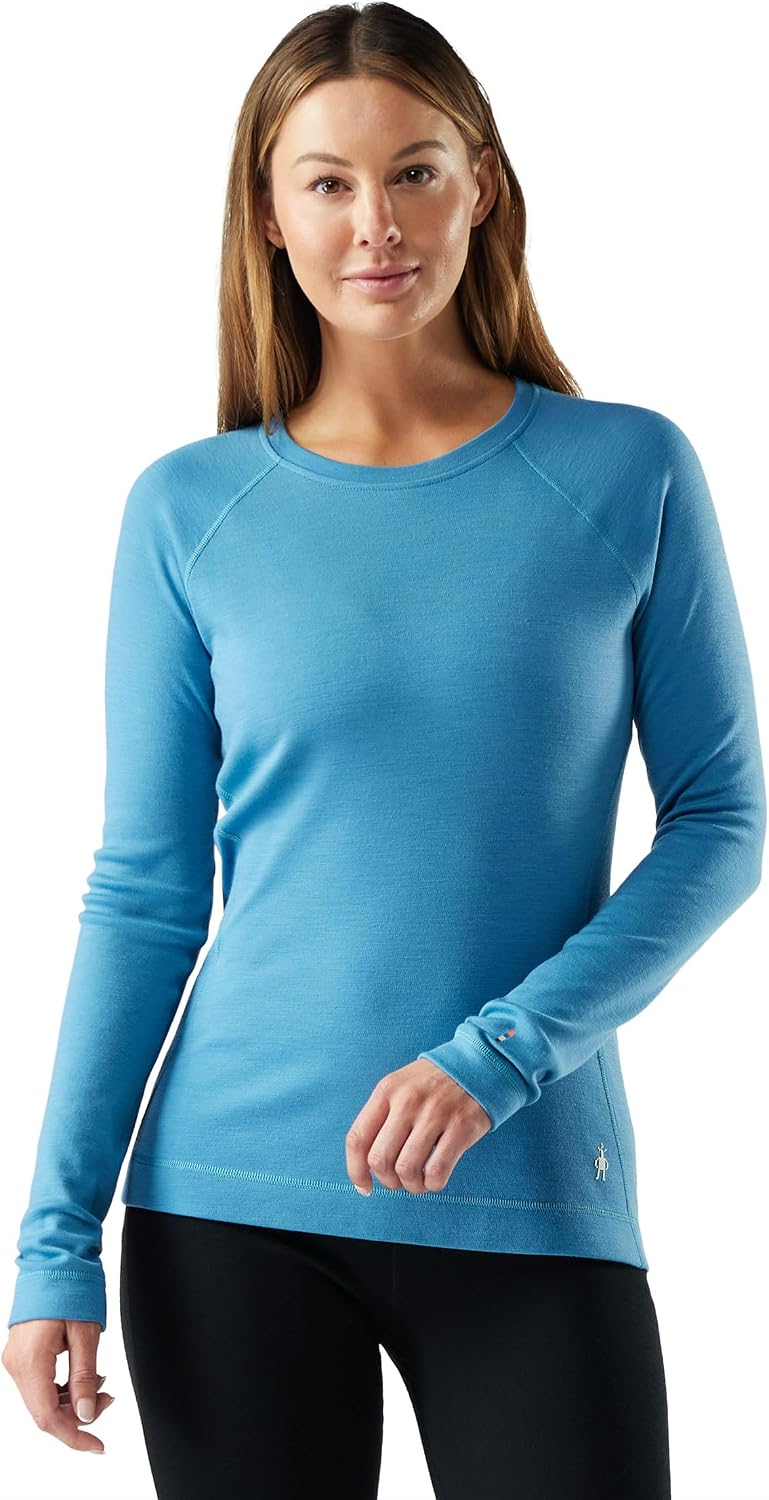
The piece as photographed for Amazon — front, side, back, detail.

As an Amazon Associate I earn from qualifying purchases.