Merino Wool 1/4 Zip Base Layer: Honest Review 2025
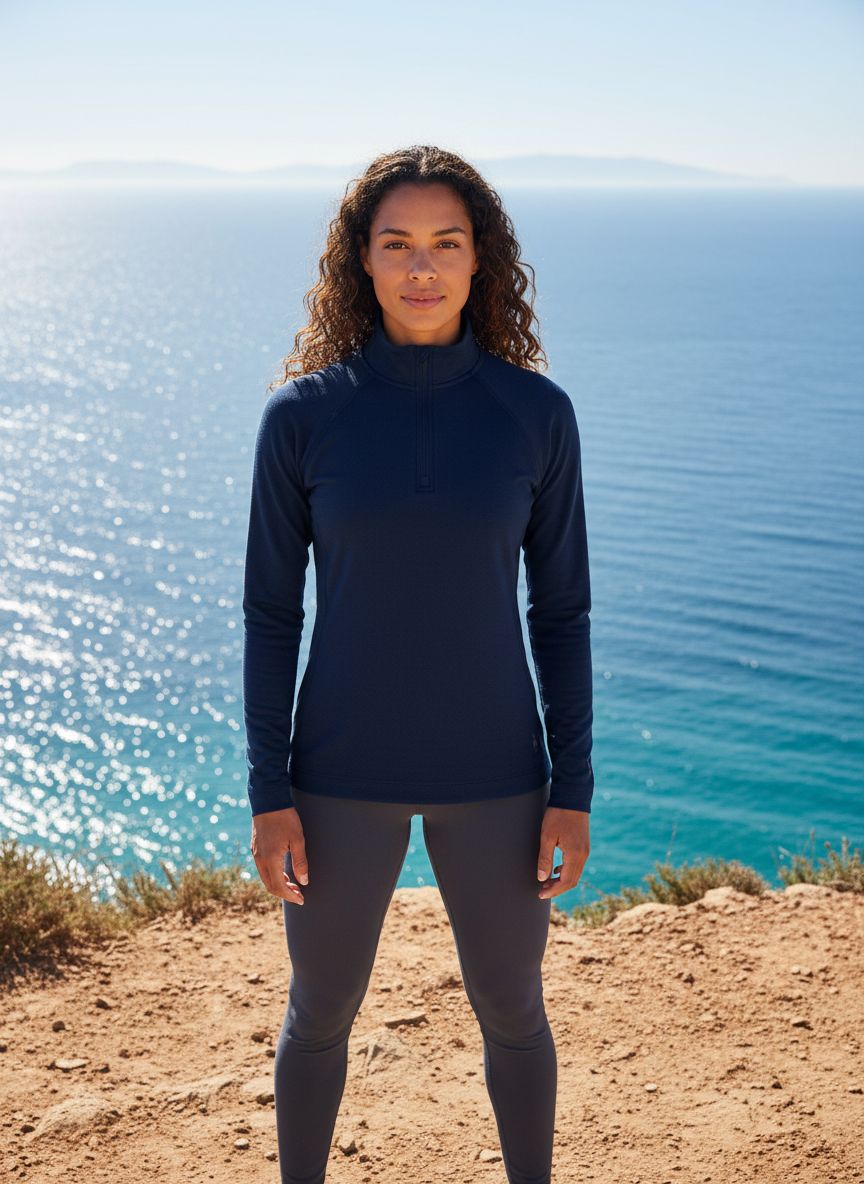
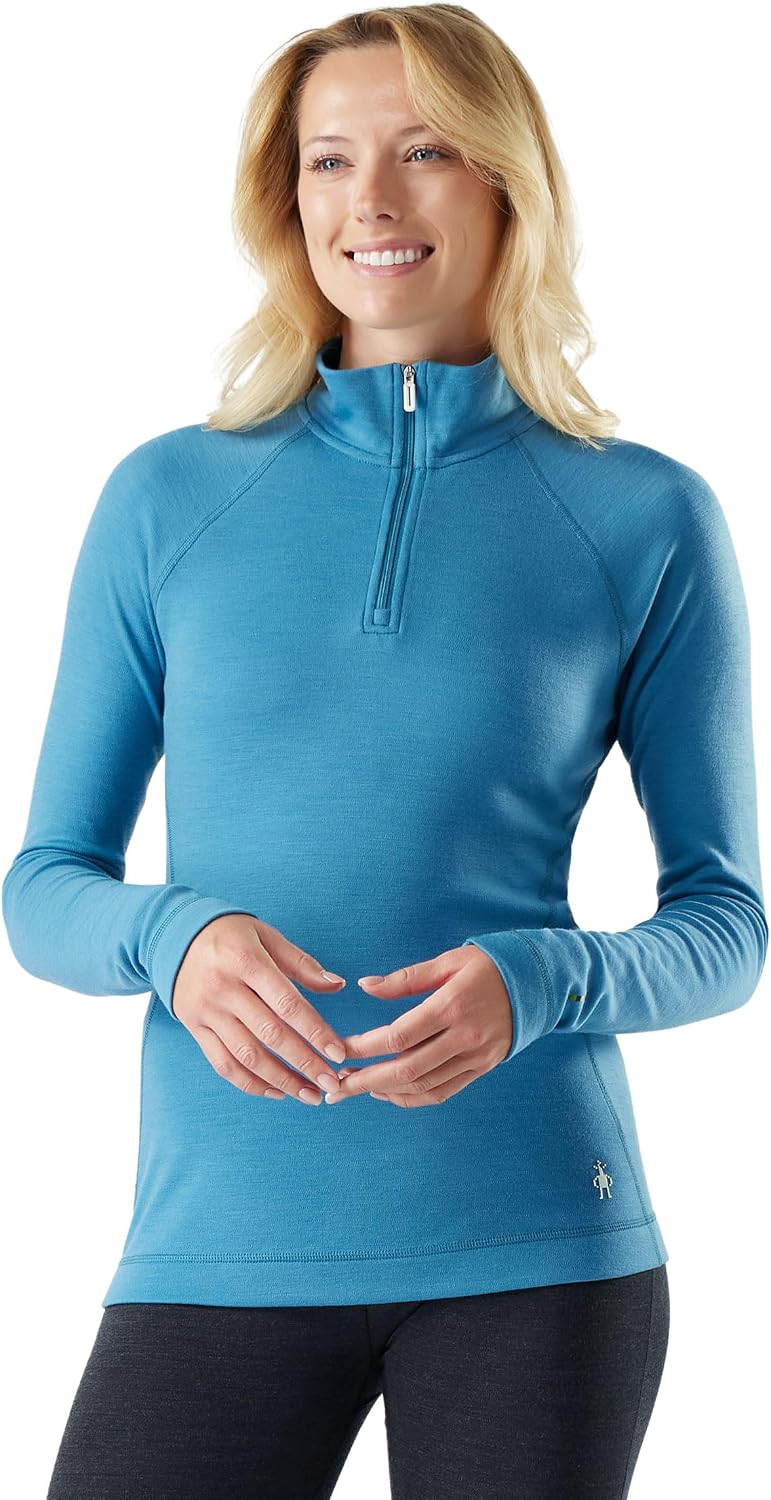
Six weeks of pre-dawn trail runs, a snowshoeing detour, and one very cold chairlift ride later, the Smartwool Women’s Classic Thermal Merino Base Layer 1/4 Zip has permanently displaced every synthetic layer I own.
**The alarm goes off at 5:47 a.m.** and the first thing I register is that the temperature on my phone reads 19 degrees. Not the windchill. The actual air temperature. The kind of morning where the decision to not go back to sleep has to be made fast, before rational thought catches up with ambition. I’m pulling on layers in the dark, and the thing I reach for first, before the fleece, before the vest, is this slim grey quarter-zip sitting on the top of my gear pile. It smells faintly of wood smoke from the weekend before. The fabric is cool for exactly three seconds against my skin, and then it isn’t. That’s the thing about merino. It never takes long.
The First Time I Wore It
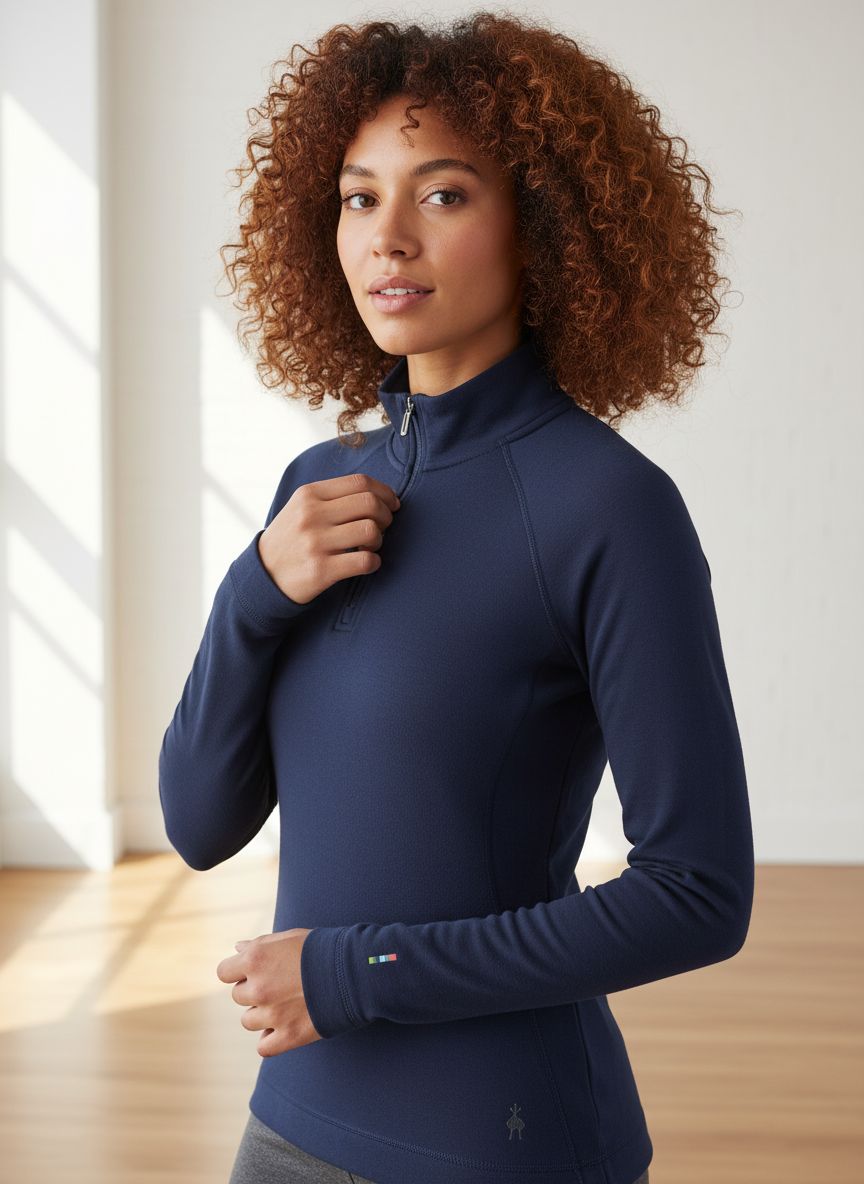
I came across the Smartwool Classic Thermal Merino Base Layer 1/4 Zip the way I come across most gear I end up keeping for years: someone else was wearing it and I had to ask. A friend showed up to a group trail run in November wearing what looked like a technical base layer that could double as something you’d wear to a coffee shop afterward. No logo blasted across the chest, no aggressive color blocking, just a clean heather grey with a short zip at the throat. She said she’d been wearing it since September. That got my attention.
I ordered it within the week. When it arrived and I pulled it out of the box, I noticed immediately how substantial the fabric felt without being heavy. It wasn’t the papery merino you sometimes get on cheaper blends. It had body to it. I hung it on a hook and kept looking at it for a day before I finally had a reason cold enough to actually wear it.
How It Actually Fits in Training
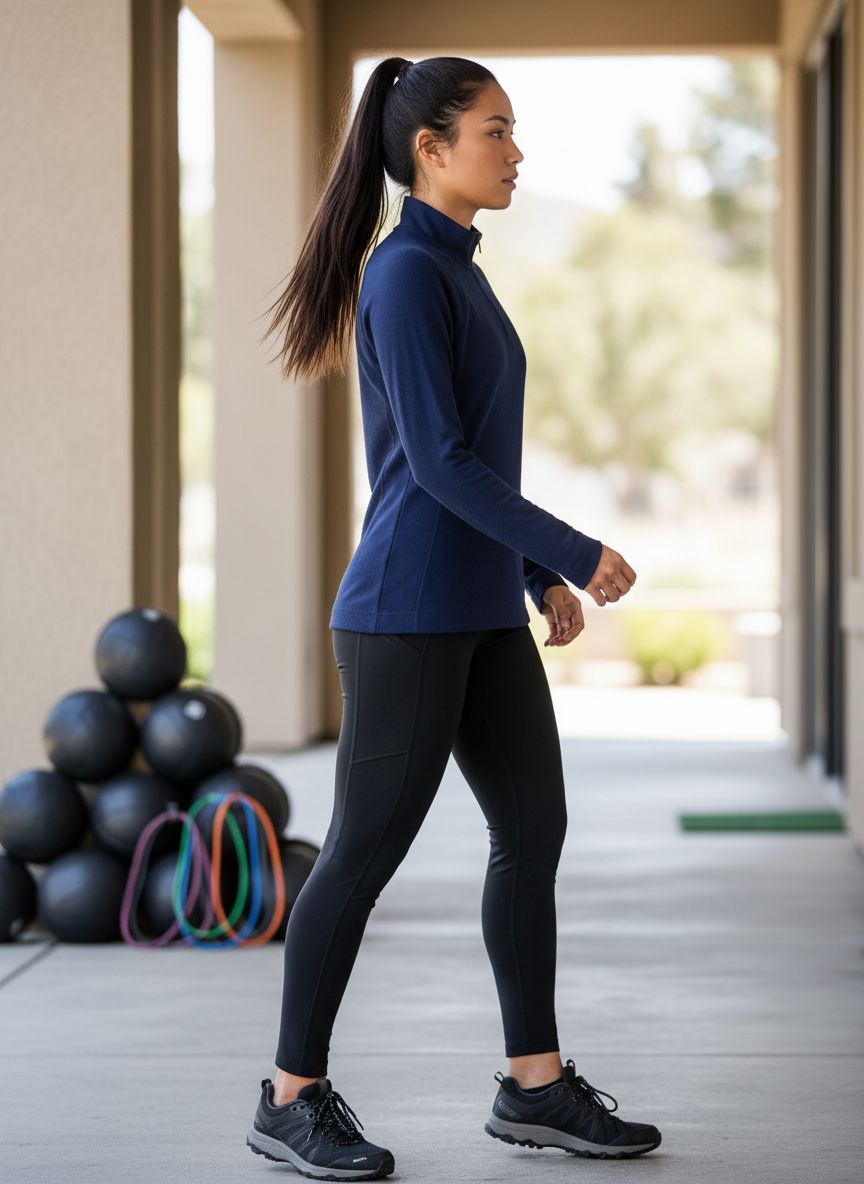
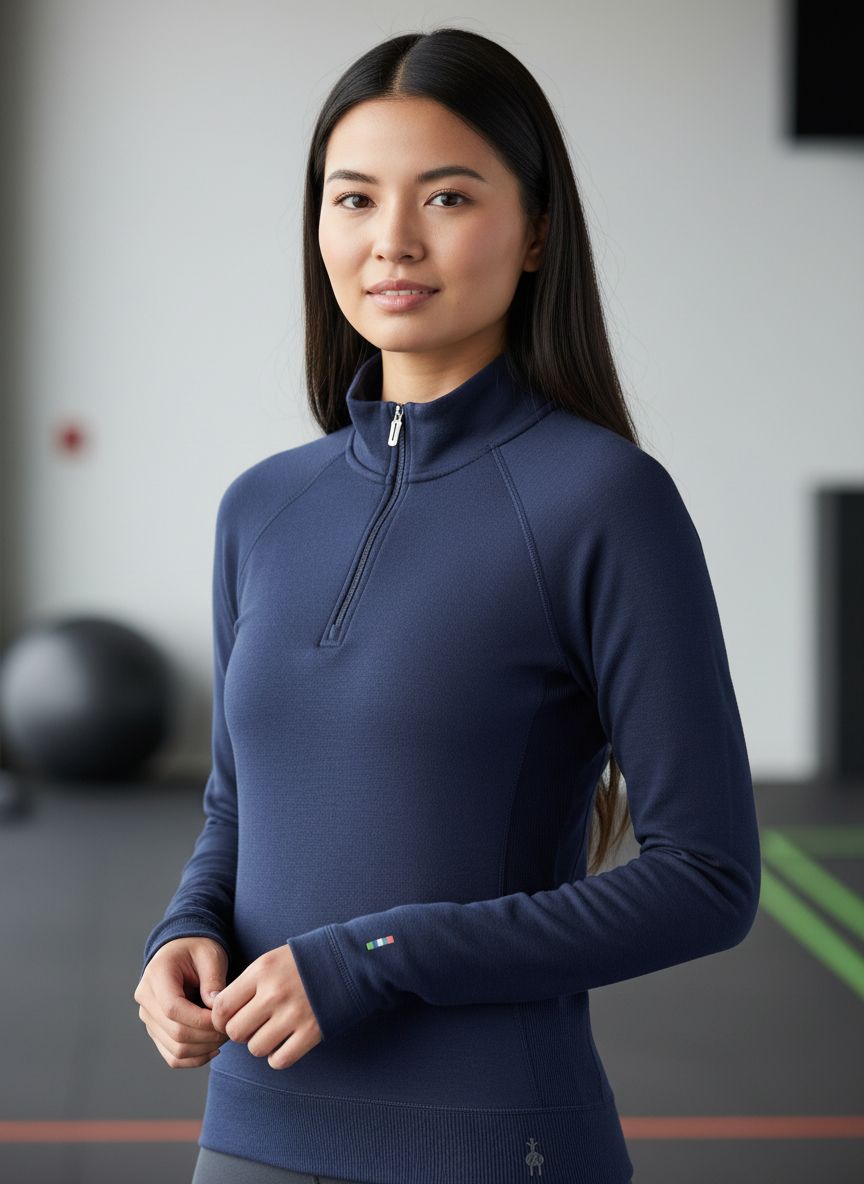
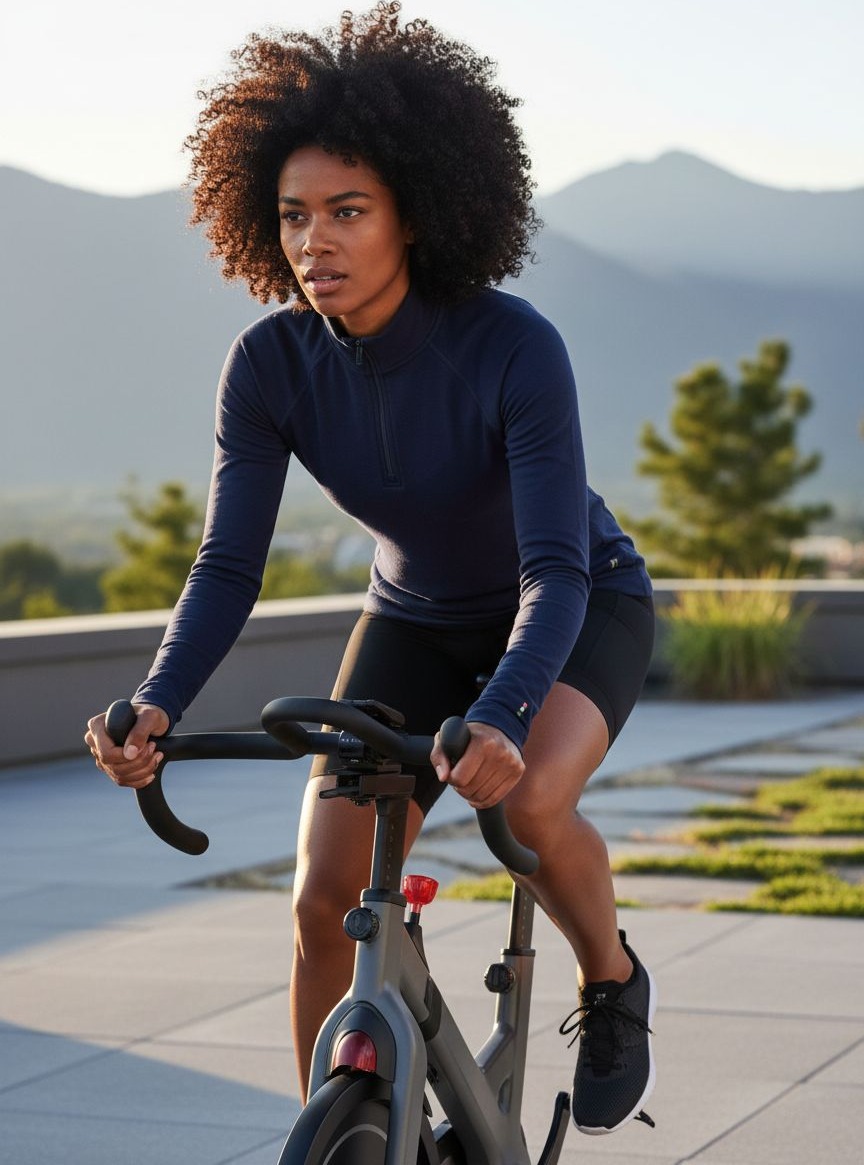
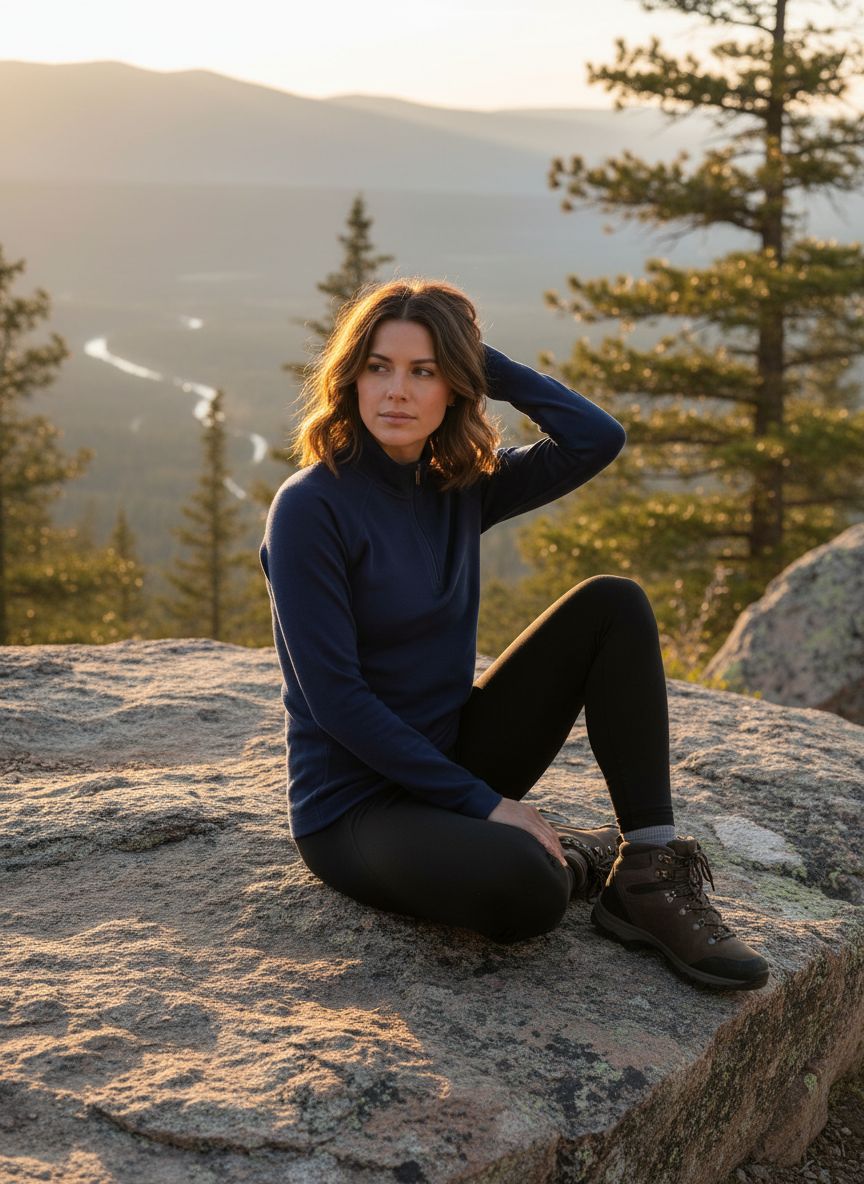
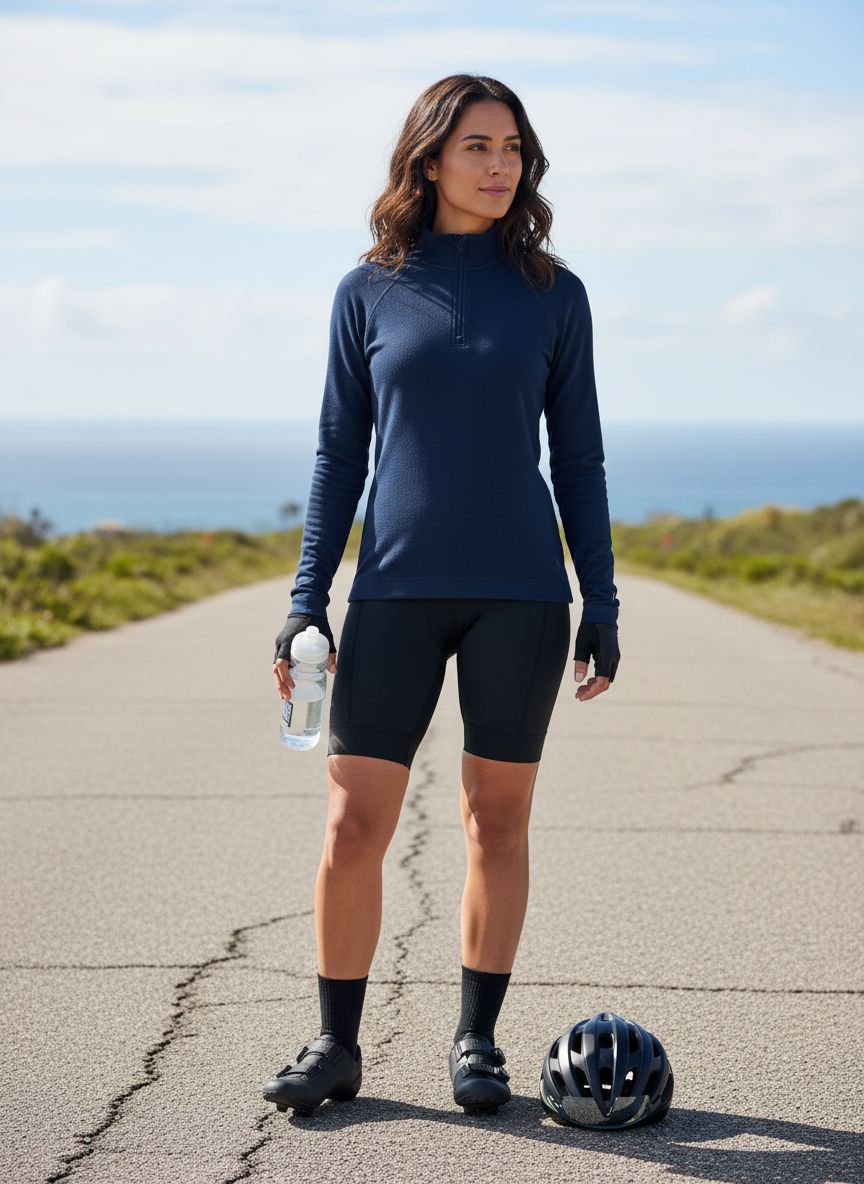
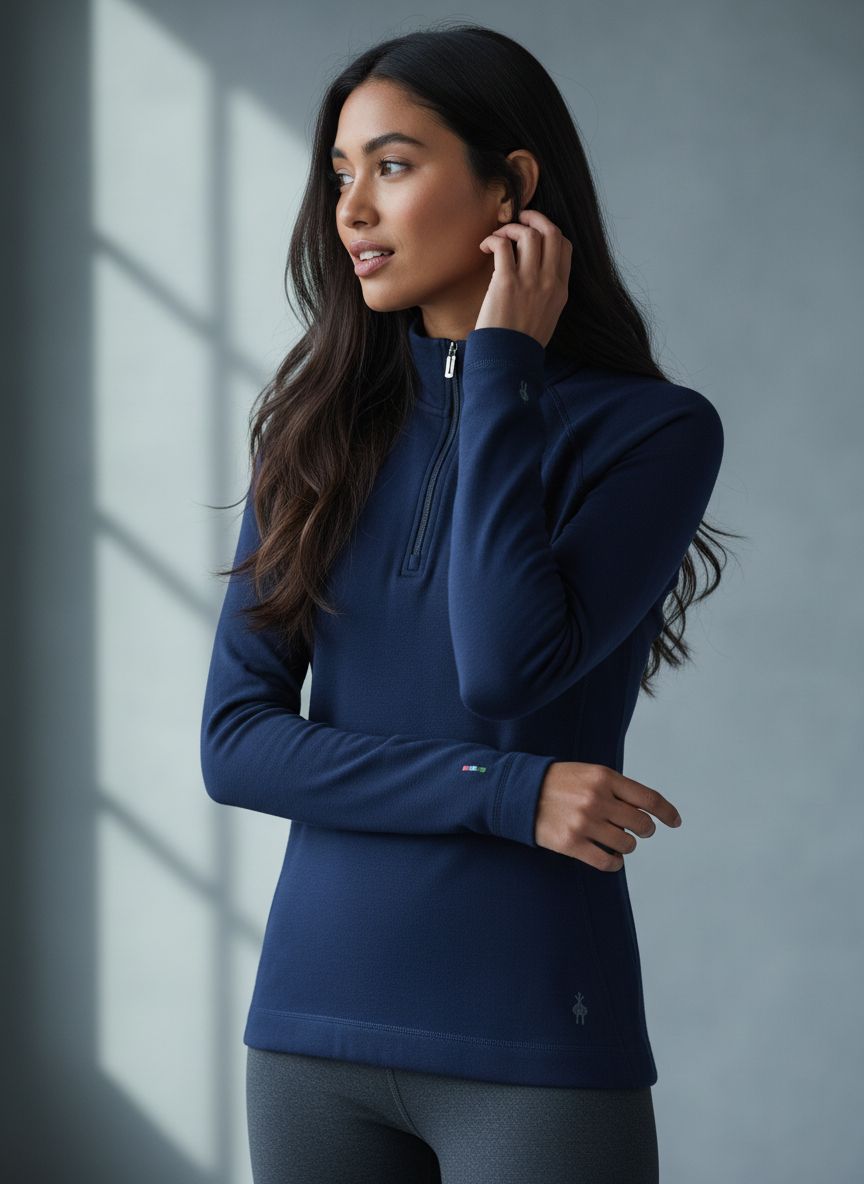
The fit profile is firmly fitted, which for a base layer is exactly right. There’s no excess fabric bunching under a jacket, no hem riding up during a deadlift, no sleeves that bunch at the wrist under gloves. The quarter-zip sits high enough that you can pop it open mid-run when your core temperature spikes without exposing too much, and the zipper pull is large enough to work with cold, gloved fingers. The cuffs have just enough stretch that they layer cleanly under a shell without creating a ridge.
“Merino doesn’t perform like synthetic, it performs better, because it regulates instead of just wicking.”
That said, the fitted cut is genuinely fitted, which means if you’re between sizes or carry more volume in your shoulders, you may want to size up. I went true to size and found the torso length generous, which I appreciated, but the shoulders felt slightly snug after a few weeks of heavy lifting sessions. It’s worth noting the fabric hasn’t pilled after six washes, which puts it above most merino blends I’ve tested. For a more complete picture of how technical fabrics compare in cold-weather running contexts, the Runner’s World gear section has useful breakdowns on base layer performance across temperature ranges.
The Sessions I Actually Wore It For
Session 1: Pre-Dawn Trail Run, Tuesday, 22 Degrees
I layered the quarter-zip under a light wind shell and wore it with my usual thermal tights and a buff pulled up over my chin. Trail shoes, a headlamp, and the kind of silence that only exists before 6 a.m. By mile two, I unzipped about two inches at the collar and that was enough. The fabric moved sweat away from my chest fast enough that I never hit that clammy, damp-against-skin sensation that synthetic layers sometimes deliver right around the fourth mile. By mile six, coming out of the trees and into a headwind, I zipped back up and felt immediately buffered. That’s the regulation piece that makes merino different from polyester. It’s not just wicking. It’s actually responding to what your body is doing.
Session 2: Snowshoe Approach, Saturday Morning
This was the session that converted me completely. We were hiking into a backcountry area, and the first hour was a slow, steady uphill grind that had me sweating despite the 15-degree air. I wore the quarter-zip as my only upper layer for the first forty minutes before adding a puffy on the flat sections. When I pulled the puffy off again on the descent, the merino base layer was not wet. Not damp. It had moved everything away and dried while I was working, which sounds like marketing copy but is just how wool behaves when the construction is done right. For anyone building out a cold-weather outdoor kit, this is the kind of piece that belongs at the center of the system. Explore our tested outdoor jacket picks if you’re building a full layering system around it.

Session 3: Chairlift Ride and Après, Sunday Afternoon
Not every session is a workout. I wore this on a ski day where I was neither working particularly hard nor staying particularly warm on the lifts. The quarter-zip sat under a softshell, and when I went inside for lunch, I didn’t immediately overheat the way I do in a heavier mid-layer. The fabric breathes enough that it doesn’t trap heat aggressively when you stop moving. And because merino is naturally odor-resistant in a way that synthetic fabrics simply aren’t, I didn’t feel like I needed to change before sitting down at a table around other humans. That particular quality is one I’ve come to consider non-negotiable for anything I wear across multiple activity types in a single day.
What Other People Are Saying
The product is relatively new to the market, so the review pool is still building, but the early feedback clusters around two recurring themes: the fit runs slightly narrow in the upper body, and the temperature regulation is consistently called out as the standout feature, even among reviewers who came in skeptical about merino versus synthetics.
What’s notable is how many reviewers mention wearing it across different activities in the same week, which tracks with my own experience. Pieces that transition cleanly between outdoor running, mountain days, and low-key winter sports tend to earn longer-term loyalty than single-use specialists. You can find similar user sentiment patterns across Self’s best workout clothes roundups, where versatility consistently ranks as a top buying driver for women in cold-weather gear.
Who Should Skip It
If your primary training environment is a heated gym, this is not the piece for you. **The thermal weight makes it too warm for indoor lifting or studio classes**, and you’ll spend the whole session wishing you were in a lightweight tank. Similarly, if you run hot even in winter, the thermal merino construction may feel suffocating past the first mile. Runners who prefer to layer a very lightweight base with a heavier mid-layer might also find the weight of this sits in an awkward middle zone for their system.
It’s also worth being direct about the fit: **this quarter-zip is not designed for a relaxed or oversized silhouette**. If you find form-fitting layers restrictive or uncomfortable, you’ll want to look at the brand’s looser-cut options. And if you’re shopping for a summer trail running top or anything intended for temperatures above 50 degrees, this is the wrong thermal category entirely. Browse our outdoor tops category for lighter-weight options across the warmer seasons.
What It Replaces in My Kit Bag
For the last two winters, I’ve been rotating between a synthetic quarter-zip that I bought on sale and a lightweight down vest, neither of which worked particularly well as a standalone piece. The synthetic layer wicked fast but smelled aggressively by mile three. The down vest was too static for anything involving sustained movement. **This Smartwool base layer replaced both of them** in every session where the temperature is between roughly 15 and 40 degrees and I’m moving continuously.
It also replaced a pricier merino option I’d been testing that did almost the same thing with a less refined fit and a zipper that stuck every third use. Fit details and construction quality matter more in base layers than almost any other category because the garment is in direct contact with your skin for hours. If you’re shopping across a wider range of cold-weather gear right now, our editor’s top activewear recommendations include several merino and synthetic alternatives across different activity categories. And if you’re building a gift list around winter outdoor training, our curated gift guide for active women has a solid base layer section worth bookmarking.
FAQ
Does the fitted cut work for athletic builds with broader shoulders?
It can, but sizing up is advisable. The torso and sleeves have good length, but the shoulder seam placement runs slightly narrow, so if you carry muscle through the upper back and shoulders, go one size above your usual.
How does the merino wool blend hold up to repeated washing?
After six machine washes on cold with a gentle cycle, there is no pilling, no significant shrinkage, and no change in the fabric’s texture or hand feel. Air drying is recommended, but the construction has been more durable than I expected from a merino blend at this weight.
Can this base layer double as a standalone top for winter runs?
In temperatures above 30 degrees with low wind and consistent effort, yes. Below that, you’ll want a wind layer over it, but the quarter-zip makes it easy to vent without removing anything, which is what you want in a running-specific base layer.
Does the build quality match what Smartwool charges for this category?
**The finish, seam construction, and fabric performance read well above what you’d expect for an everyday training piece in this tier.** The zipper hardware feels solid, the stitching hasn’t shifted after repeated wear and washing, and the thermal regulation is consistent session after session, which is the real durability test for a technical layer.
Does Smartwool offer size exchanges if the fit isn’t right?
Smartwool has a standard return and exchange policy through their site and most retail partners. Given the narrow upper-body fit, ordering two adjacent sizes to compare at home before committing is a reasonable approach if you’re unsure.
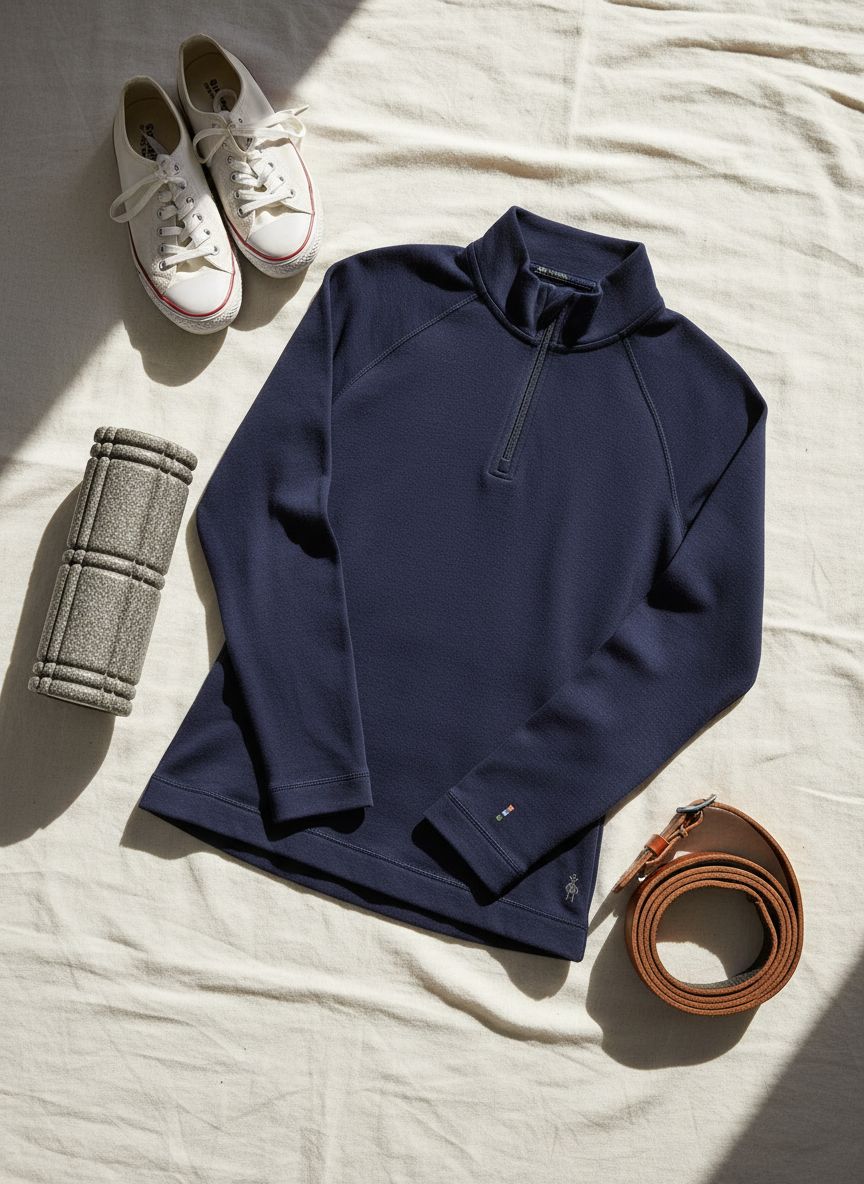
The Verdict
There’s a Tuesday coming up in the forecast with a projected high of 24 degrees, and I already know exactly what I’m wearing for the 6 a.m. run. That’s the clearest thing I can tell you about the **Smartwool Women’s Classic Thermal Merino Base Layer 1/4 Zip**: it stopped being a thing I was testing and became the thing I just reach for. Six weeks of cold-weather outdoor running, snowshoeing, and ski days produced zero moments where I wished I’d worn something else, which is not something I can say about most base layers I’ve tried in recent memory.
The honest caveats are real: the fitted cut requires attention to sizing, it’s not a piece for warm-weather training or heated indoor sessions, and the thermal weight puts it squarely in the cold-weather specialty category rather than a year-round workhorse. But within that lane, it executes cleanly. The merino regulation is genuine, the construction quality holds up to repeated use, and the quarter-zip detail earns its keep every single time the trail pops out above the treeline into wind. For anyone building out a cold-weather outdoor running or winter sports kit, this is the base layer I’d point to first. Browse our cold-weather outdoor pants picks and Women’s Health’s winter training guides to round out the rest of the system.
**The bottom line: if you run or move outside in cold weather with any regularity, this is the base layer your kit has been missing.**
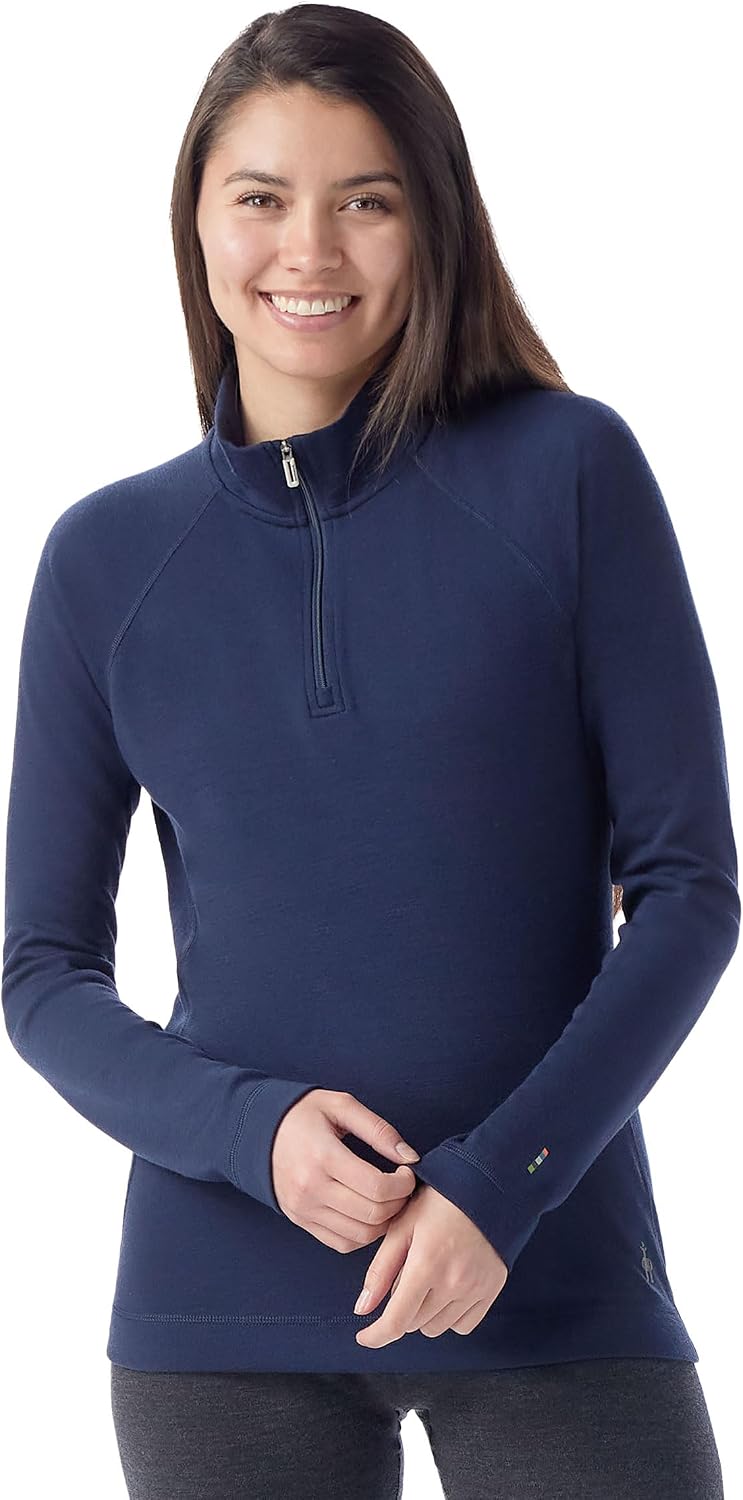
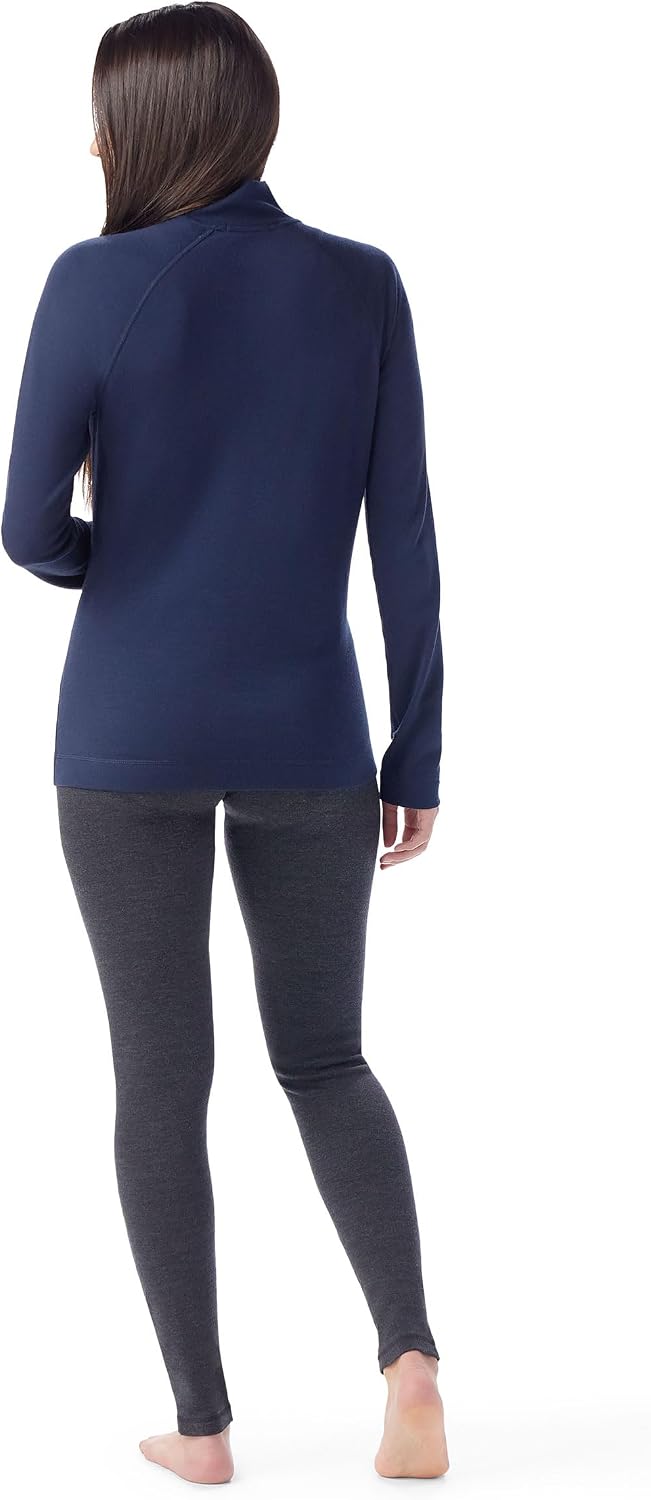
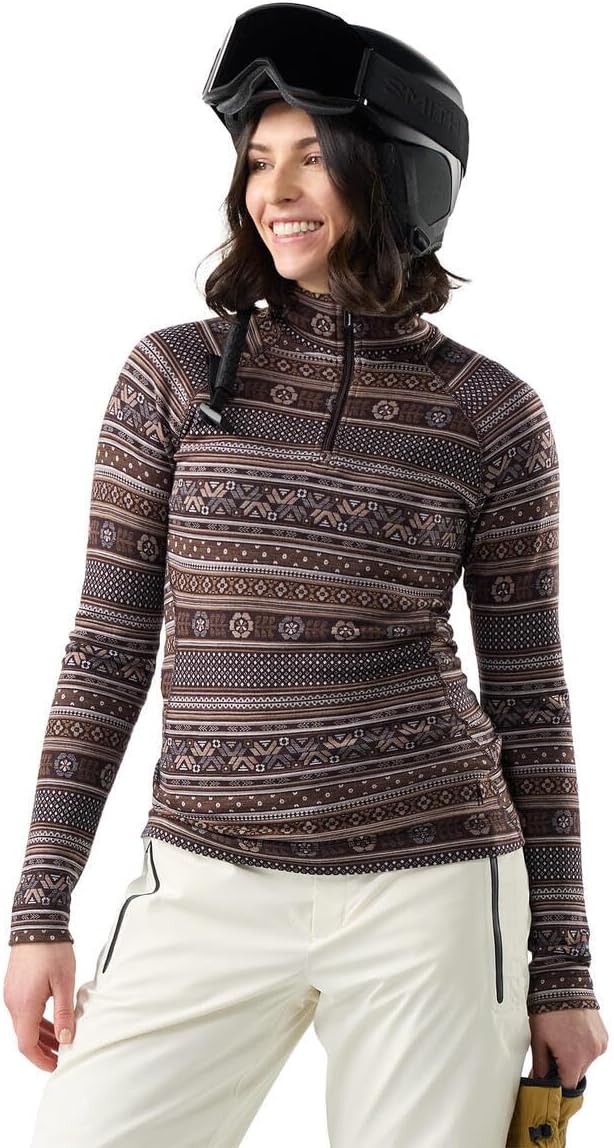
Every Angle
The piece as photographed for Amazon — front, side, back, detail.
As an Amazon Associate I earn from qualifying purchases.