Polytherm Long Sleeve Top for Outdoor Sports: Honest Review
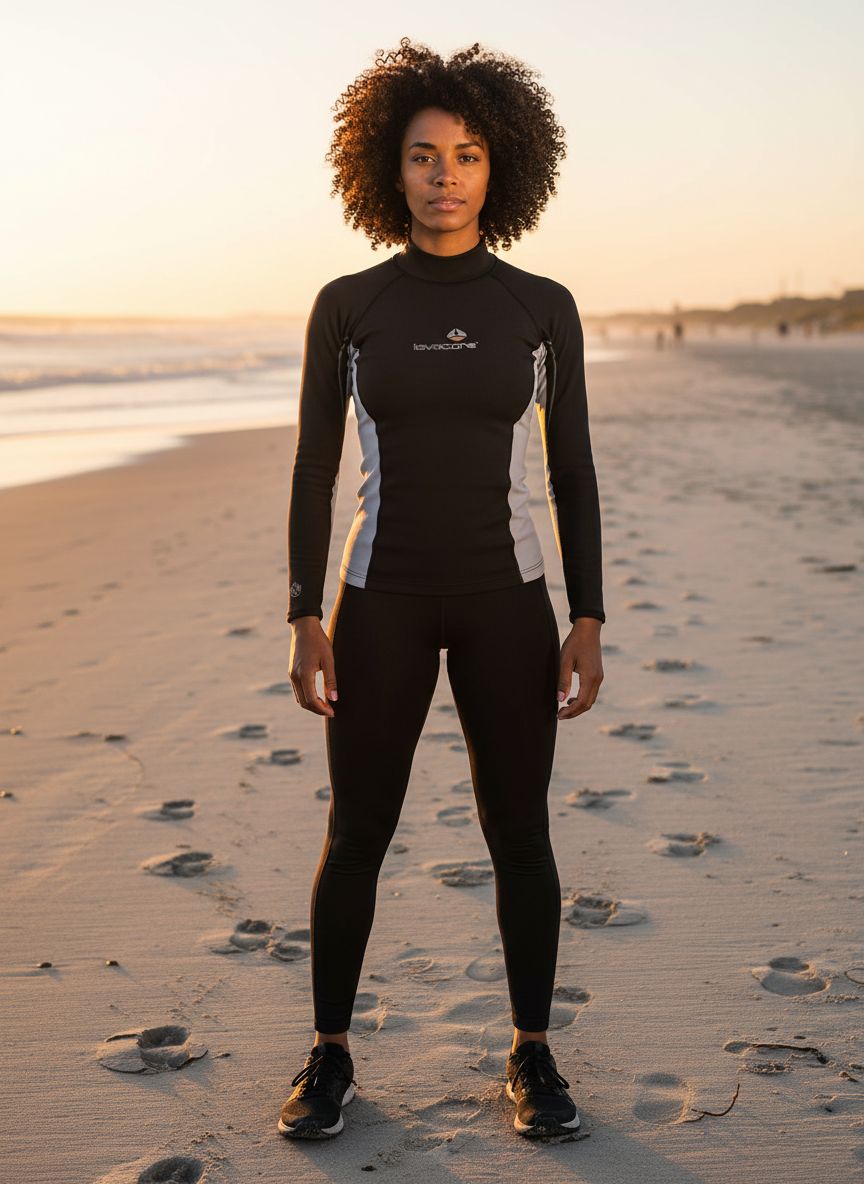
The wind off the ridge came in sideways at mile four, and the only thing standing between me and a very regrettable training decision was a slim-fit thermal layer I almost didn’t pack.
It was a Tuesday in late October, the kind of morning that looks deceptively manageable through a kitchen window. I had a tempo run planned on a fire-road loop that climbs about 800 feet before it opens onto an exposed ridge, and I’d almost grabbed my usual fleece pullover out of habit. Instead, I reached for the Lavacore Women’s Polytherm Long Sleeve Top, which had been sitting on my gear shelf for exactly nine days while I talked myself into believing conditions were warm enough that I didn’t need it yet. The air smelled like wet pine and cold stone. By the time I hit the exposed section, I understood why I’d been wrong about the fleece.
The First Time I Wore It
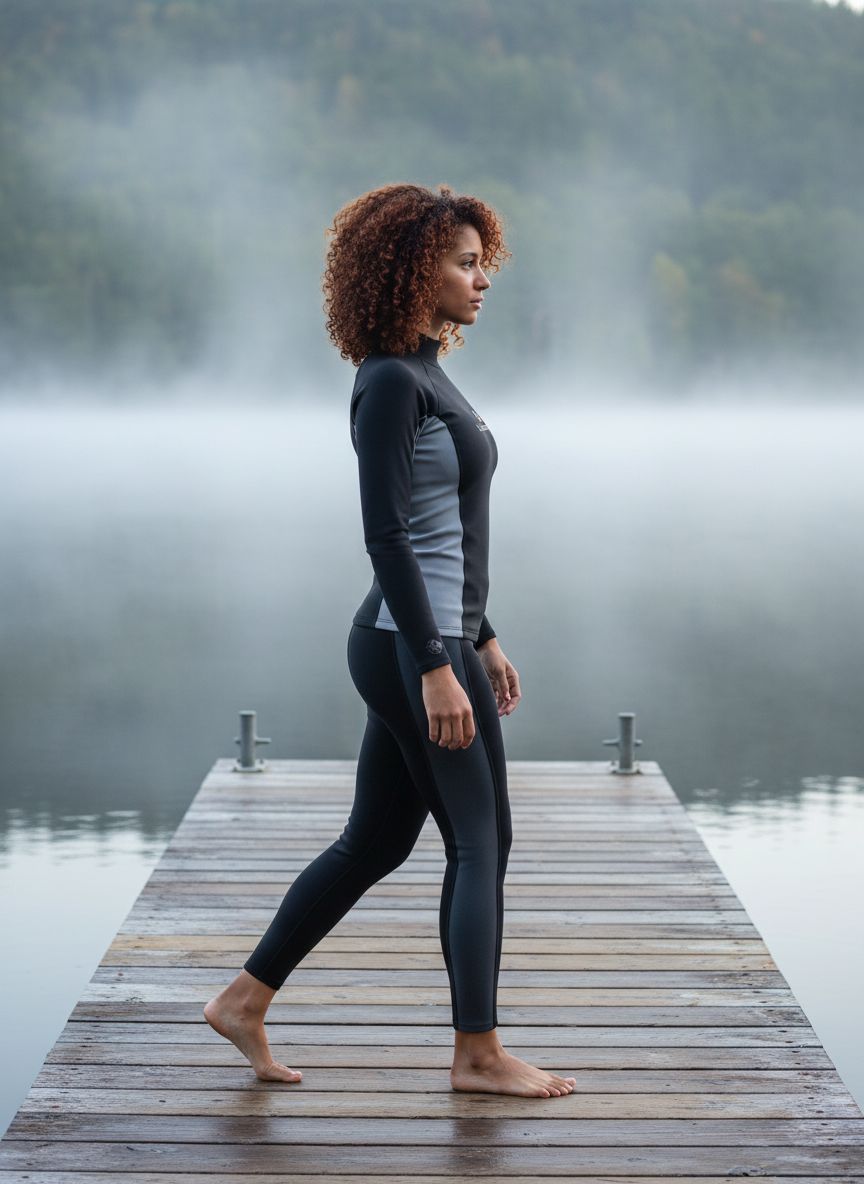
I found this top while deep in a rabbit hole of cold-weather outdoor layers, the kind of spiral that starts with one Google search and ends with seventeen tabs open and a running shoe review you definitely didn’t need. The Lavacore Women’s Polytherm Long Sleeve Top stopped me because of the Polytherm label, which I didn’t immediately recognize, and because the fit description said “fitted” rather than the usual vague “athletic cut” that can mean anything from skintight to a medium-sized parachute. I’m a longtime skeptic of brand-specific fabric names, but the windproof and UPF 50+ combination caught my attention for a multi-sport thermal piece designed to function across running, HIIT, and general outdoor use.
I ordered it expecting to wear it once and relegate it to the “maybe someday” pile. That’s not what happened.
How It Actually Fits in Training
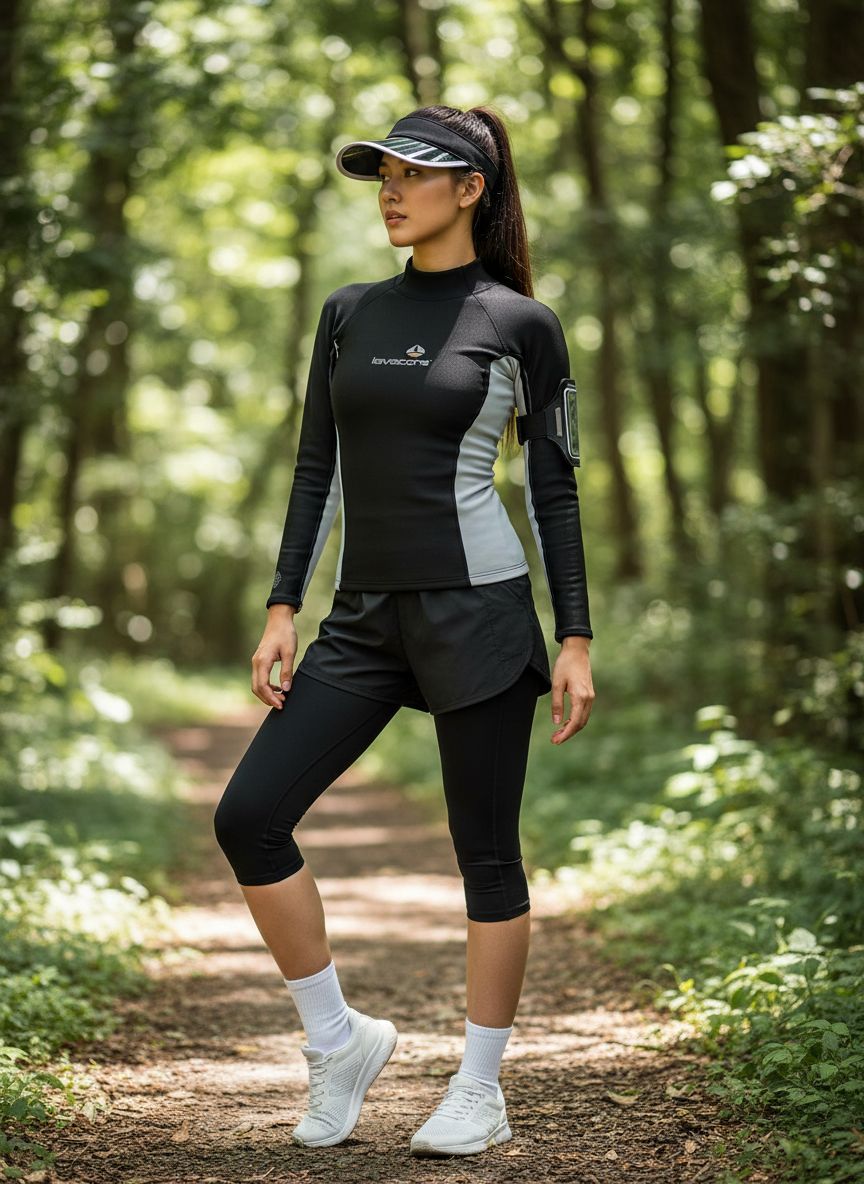
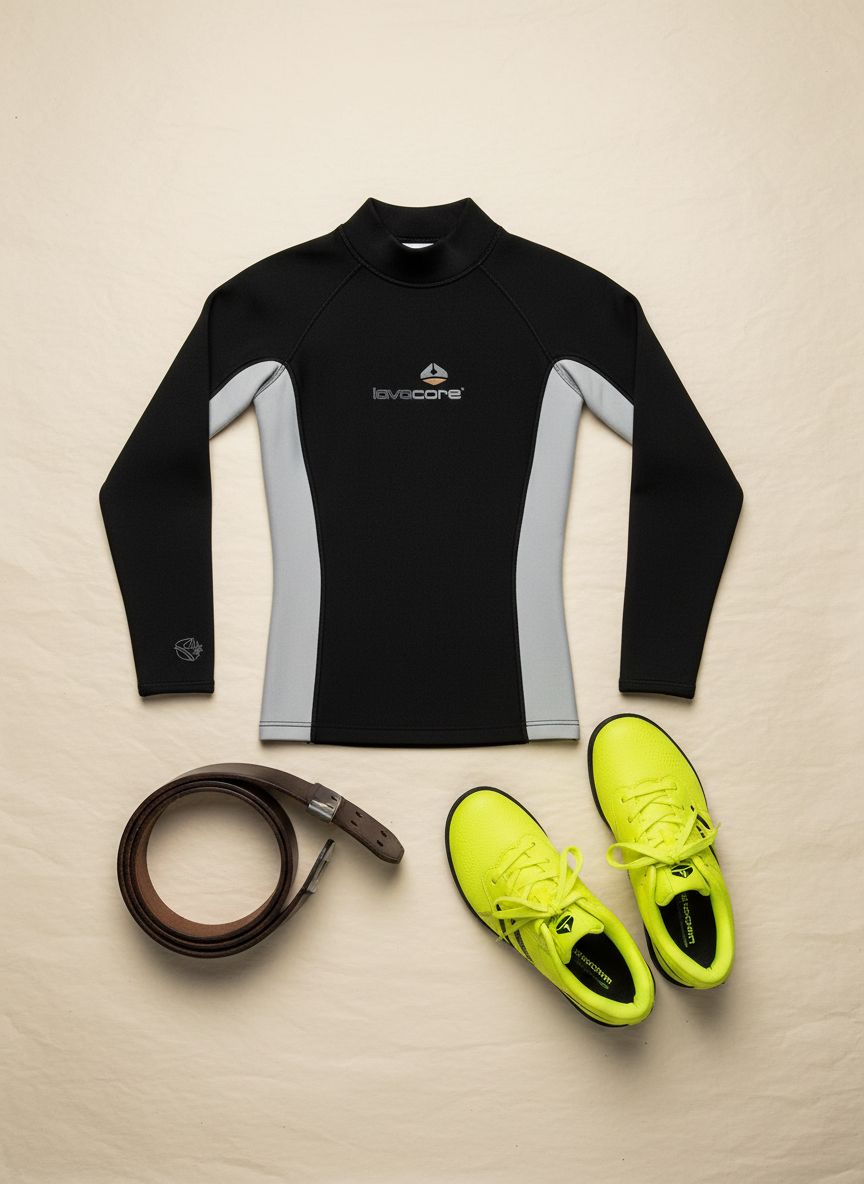
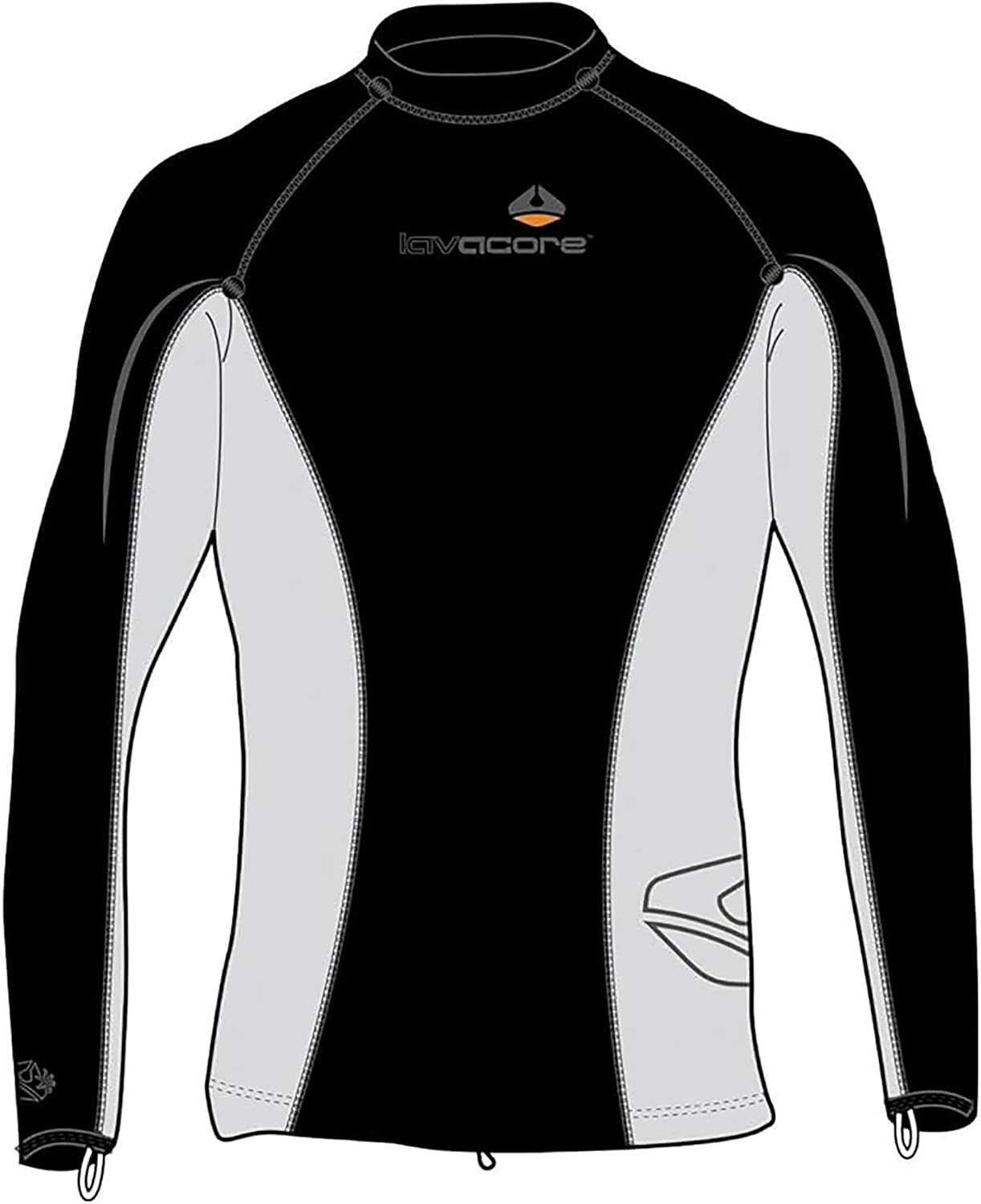
The fitted silhouette is genuinely fitted, not compressive-to-the-point-of-restriction. The crew neck sits high enough to block wind at the collarbone without feeling like it’s choking you on the climb, which is a narrow balance most thermal tops don’t manage. Across the shoulders and through the arms, the Polytherm fabric has a slight stretch that accommodates a full arm drive while running or the overhead reach of a burpee without pulling at the hem. On a 45-minute tempo run with about 15 minutes at threshold pace, I didn’t once feel the need to tug the hem down or adjust the sleeves, which is more than I can say for a lot of long-sleeve running tops I’ve tested.
“On a ridge with sideways wind, this top made the kind of quiet, invisible argument for itself that good gear always does.”
The one honest note: the fabric is lightweight enough that on days below freezing, you’ll want a shell over it or a base layer underneath. It handles the windy-but-not-arctic temperature band brilliantly, but it’s not a parka substitute. The seams ran smooth against my skin through every session I logged, with no chafing at the underarm or shoulder, which matters more than most gear copy admits. For a deeper look at how thermal fabrics perform in real-world multi-sport testing, the editorial team at Outside’s gear section has done extensive cold-weather layer breakdowns worth reading alongside this review.
The Sessions I Actually Wore It For
Session 1: Ridge Tempo Run, Tuesday Morning
This is the session I already told you about, but the full picture: I was wearing the Lavacore Polytherm long sleeve top over a light moisture-wicking tank, paired with running tights, a low-profile buff around my wrist for option, and trail shoes. No gloves because I always run warm from the elbows down. The top handled the exposed ridge section with the kind of quiet confidence that makes you stop thinking about what you’re wearing and start thinking about your run, which is exactly what a thermal layer is supposed to do. I came off the ridge sweated but not soaked, and the fabric had wicked enough to keep me from getting chilled on the descent.
Session 2: HIIT Circuit, Thursday Evening
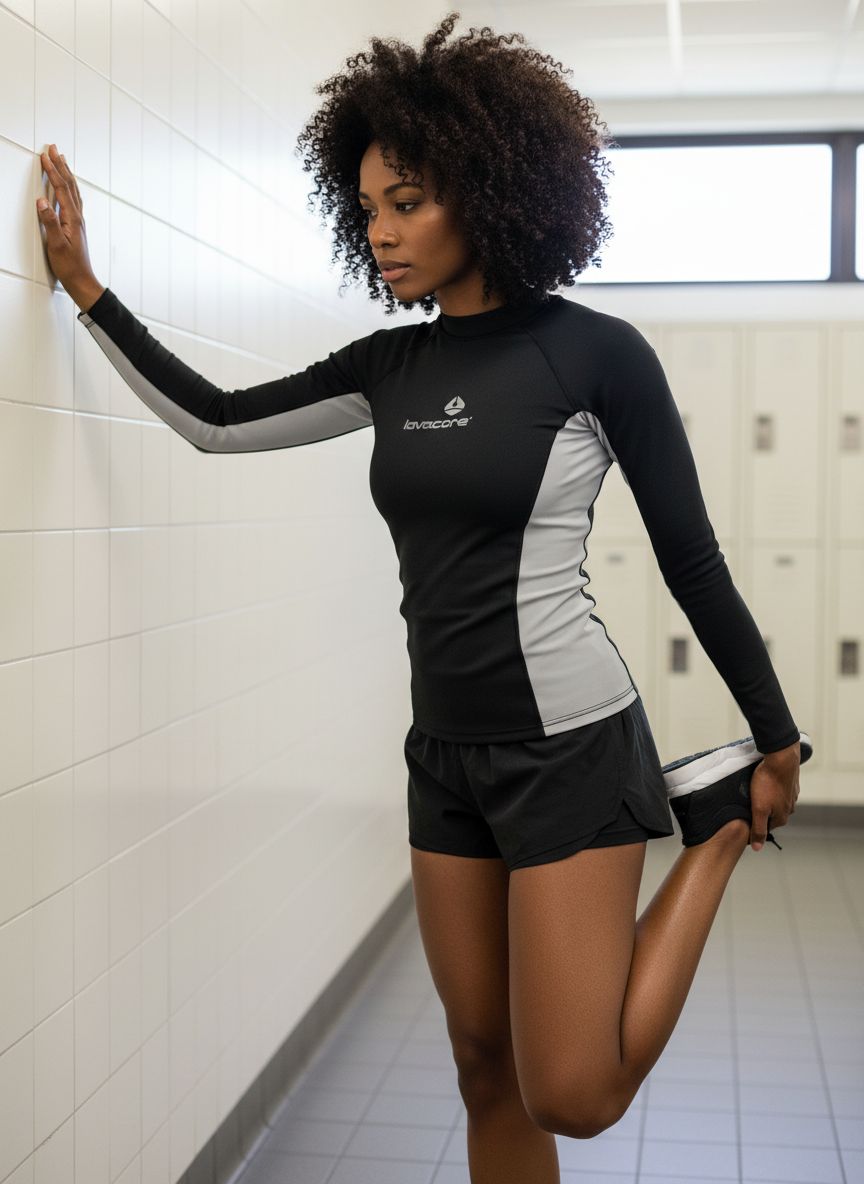
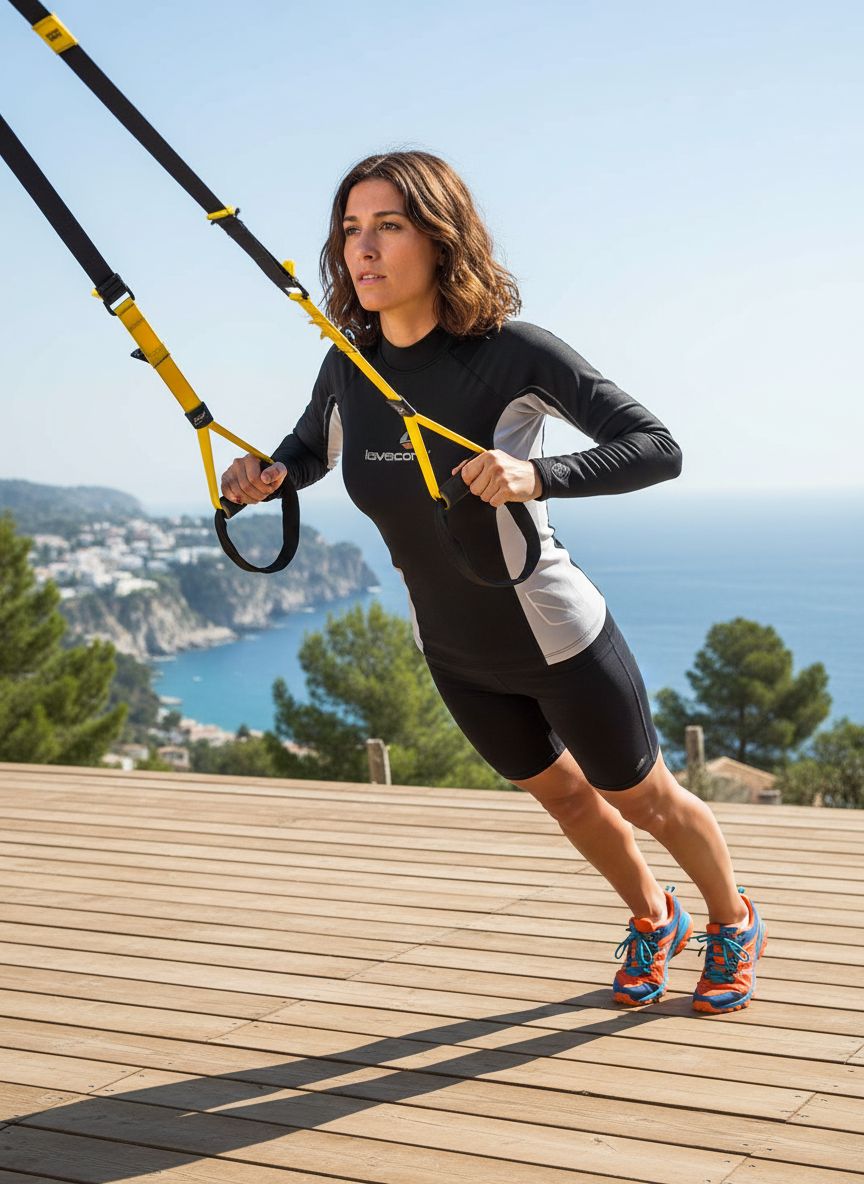
My Thursday sessions are an indoor-outdoor hybrid, done in a covered outdoor space that stays open to the elements on one side. In late fall, that means bursts of effort in still-cold air, which is a specific microclimate that wrecks most thermal tops because they either trap too much heat during work intervals or lose all insulation value the moment you stop moving. The Polytherm construction managed this better than I expected. During rest intervals, I didn’t immediately feel the cold creep in, and during work sets, I wasn’t ripping it off to cool down. That balance is harder to engineer than it sounds in a lightweight long-sleeve running top.
Session 3: Saturday Morning Hike, Three Hours, Variable Conditions
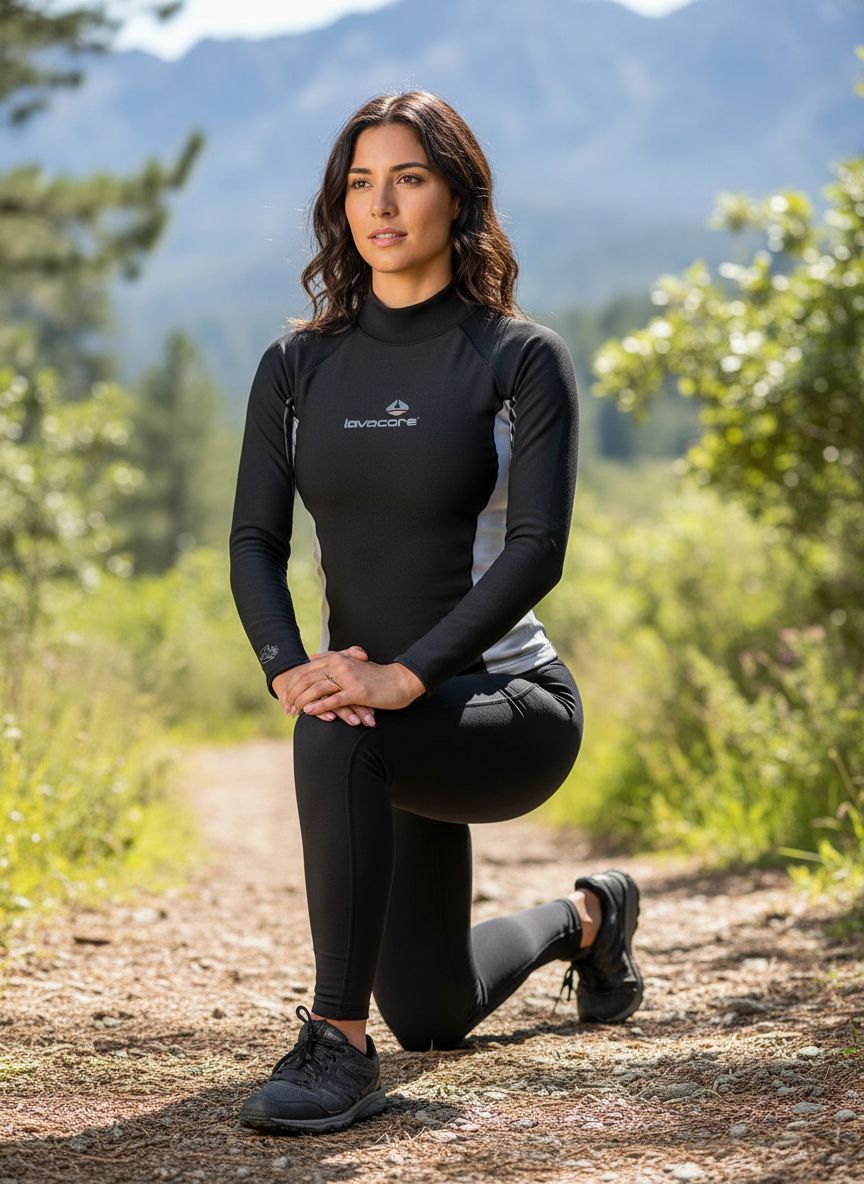
The third outing was the most telling. I wore it for a three-hour hike with a 1,200-foot elevation change, starting in cloud cover and finishing in partial sun. Layering decisions on a hike like this are a series of small negotiations, and the Lavacore thermal top let me leave the mid-layer in my pack for the entire first half because it was doing enough work on its own. The UPF 50+ protection mattered on the sun-exposed sections more than I’d anticipated, since cold-weather hiking is exactly when you forget to think about UV exposure. I browsed our own roundup of women’s outdoor performance tops before this session and nothing else I’d tested recently had the same wind-blocking-plus-UPF combination in a single lightweight layer.
What Other People Are Saying
The Lavacore Women’s Polytherm Long Sleeve Top has a limited review pool at this point, so there isn’t a wide consensus to synthesize. With 14 reviews at a 4.0 average, the signal is directionally positive but not yet statistically definitive.
What that 4.0 average with limited reviews actually suggests: people who bought it and took the time to say something were mostly satisfied, and the few who weren’t didn’t find it catastrophically wrong, just not perfectly matched to their specific use case. That read is consistent with my own experience.
Who Should Skip It
If your training is primarily indoor and climate-controlled, you’re buying for features you won’t use. The windproof construction and UPF 50+ are meaningless on a treadmill or in a heated studio, and there are lighter, cheaper long-sleeve training tops better suited to that context. Runners who train in truly sub-freezing temperatures and refuse to layer should also look elsewhere, because this top functions best in the 30-to-55 degree Fahrenheit wind-chill range rather than at the hard-cold extreme. If you run very hot and tend to overheat quickly in anything beyond a t-shirt, the thermal Polytherm construction will work against you rather than for you. And if you need pockets in your tops, this isn’t your piece. Check out our outdoor jacket picks if you need more coverage with storage built in.
What It Replaces in My Kit Bag
I’d been using a mid-weight quarter-zip for fall running that I liked but always found slightly too warm for moving and slightly too cold for standing still, an awkward in-between that the Lavacore Polytherm long sleeve top resolves by being genuinely calibrated to activity rather than rest. The quarter-zip is moving to post-run recovery duty, which is actually the role it was always better suited for. The Lavacore top also fills a gap I didn’t fully know I had for outdoor sessions that aren’t quite run-specific, the hikes, the outdoor circuits, the longer dog walks that become faster than planned. For everything in that wide middle territory of cold-weather outdoor activity, this is the layer I’m reaching for first. If you’re building a fall kit from scratch, it also makes a strong case as a thoughtful gift for an outdoor-training person who already has the fleece and the shell but nothing precise in between.
FAQ
How does the fitted silhouette work for different body types?
The fitted cut runs true to size in my experience, with enough stretch in the Polytherm blend to accommodate athletic builds through the shoulders and chest. If you’re between sizes, sizing up gives a slightly more relaxed fit that still layers cleanly under a shell.
Is the fabric quick-drying, and how do you care for it?
The Polytherm synthetic blend dries relatively quickly compared to cotton or wool thermal options, which matters on back-to-back training days. Machine wash cold and hang dry to preserve the windproof finish over time.
Can this work as a standalone top or does it always need a layer over it?
In the 40-to-55 degree wind-chill range, I wore it as a standalone layer for all three of my logged sessions without issue. Below that, especially in sustained wind, a light shell extends its usefulness considerably.
Does the build quality hold up to regular training use?
After a month of rotation including both running and hiking sessions, the fabric shows no pilling, the seams are intact, and the crew neck hasn’t stretched out of shape, which is the first place cheap synthetic tops tend to betray themselves. The level of finish reads above what you’d expect for the tier, which earns it a longer shelf life in an active kit than cheaper alternatives typically manage.
How does sizing run, and what’s the return situation if it doesn’t work?
Size according to your usual fitted-layer sizing; I found it ran accurately rather than small or large. Check the retailer’s return window before purchasing, as it varies, and order early enough in the season to test it in the conditions you actually need it for.
The Verdict
Next week I have a Saturday long run planned that will climb into exposed terrain, and I’ve already mentally dressed for it: the Lavacore Polytherm long sleeve top, tights, trail shoes, pack. There’s something satisfying about a piece of gear that earns its way into default rotation without requiring you to mentally argue for it every time. This is a Lavacore Women’s Polytherm Long Sleeve Top review conclusion that comes with a clear recommendation, but only for the right context: outdoor runners, hikers, and multi-sport athletes training in cold, windy fall and winter conditions who want wind and UV protection in a single lightweight thermal layer rather than a stack of separate solutions. It won’t be the most versatile piece you own, but in the specific conditions it’s built for, it’s one of the most honest performers I’ve tested this season. For context on how it stacks up against the broader field of best workout clothes for women in cold conditions, it earns its spot. And if you’re building out a cold-weather training wardrobe, our editor-curated activewear picks include a few complementary pieces that pair well with a layer like this.
The verdict: precision thermal protection for people who train outdoors in the cold and want a single piece doing real work, not just filling space in the pack.
Every Angle
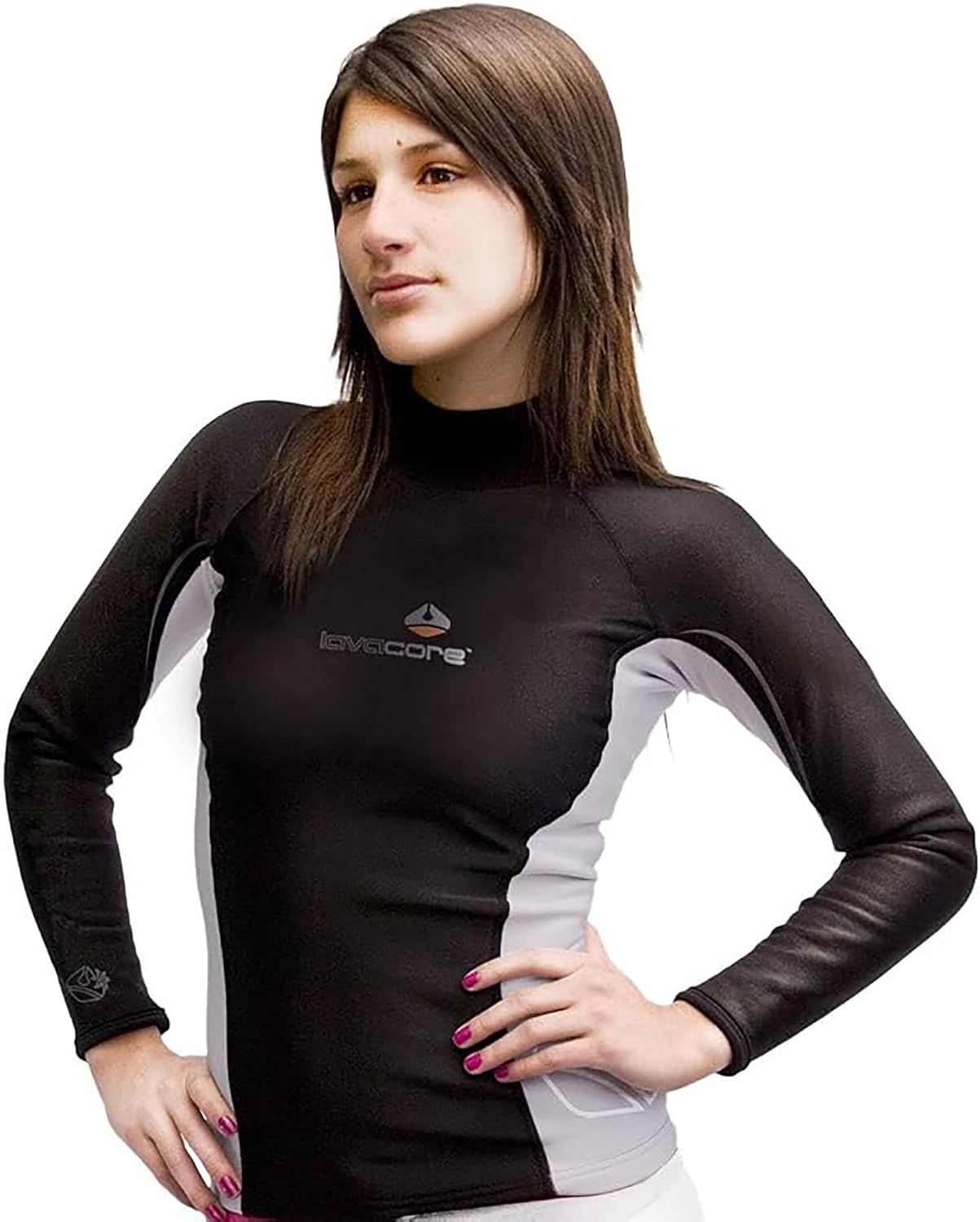
The piece as photographed for Amazon — front, side, back, detail.
As an Amazon Associate I earn from qualifying purchases.